Students have been searching for an efficient way to capture, process, and remember information for centuries. While countless study systems exist, few are as practical and research-backed as the Cornell Note-Taking System. Originally developed by Walter Pauk at Cornell University in the 1950s, this structured method transforms chaotic note pages into powerful learning tools that actively strengthen memory and understanding. When used correctly, Cornell Notes can significantly improve retention—many learners report recalling up to 40% more information compared to unstructured note-taking.
TLDR: The Cornell Note-Taking System divides your page into three sections: cues, notes, and summary. By structuring information during and after lectures, it promotes active recall and spaced repetition—two key principles for long-term memory. This guide walks you through five structured techniques that maximize retention. Follow the step-by-step process and adapt it to fit your study style for noticeable improvement.
Rather than simply copying what a teacher says or what appears in a textbook, Cornell Notes encourage active engagement with the material. Below, you’ll learn exactly how to implement this proven method step-by-step.
Step 1: Set Up Your Page the Right Way
The Cornell system begins with a simple but powerful layout. Before class starts, divide your page into three distinct sections:
- Right section (Notes Column): Takes up about 70% of the page width.
- Left section (Cue Column): About 30% of the width.
- Bottom section (Summary Area): 2–3 inches at the bottom.
This structured design prevents clutter and creates natural opportunities for review.

Why this matters: Most students write notes in one large block of text. That makes review overwhelming. By separating key ideas from explanations, your brain processes information in manageable chunks. Cognitive research shows that well-organized material is easier to store and retrieve later.
Pro Tip: If using digital notes, create a reusable Cornell template in apps like Notion, OneNote, or Google Docs so formatting never slows you down.
Step 2: Take Smart Notes in the Main Column
During lectures or reading sessions, use the large right-hand column to record important information. But resist the urge to write everything down word-for-word.
Instead, focus on:
- Main concepts
- Definitions
- Key examples
- Important formulas or dates
- Questions the instructor emphasizes
Use bullet points, short phrases, abbreviations, and symbols to keep up with the pace. Your goal is not perfection — it’s capturing meaning efficiently.
Avoid this mistake: Writing full sentences for everything. This reduces attention and prevents your brain from processing material in real time. Paraphrasing forces understanding, which strengthens memory encoding.
To further improve retention, try these micro-techniques while writing:
- Highlight cause-and-effect relationships
- Draw quick diagrams or arrows
- Circle unfamiliar terms
Visual cues dramatically enhance long-term recall because they activate multiple areas of the brain at once.
Step 3: Create Powerful Cue Questions
After class — ideally within 24 hours — return to your notes. This is where Cornell Notes become significantly more powerful than traditional systems.
In the left cue column, write:
- Questions about the material
- Keywords
- Main ideas
- Memory triggers
For example:
- “What are the stages of mitosis?”
- “Why did World War I begin?”
- “Define cognitive dissonance.”
This step transforms passive notes into an active recall system. Instead of rereading pages repeatedly (which creates the illusion of understanding), you test yourself by covering the notes column and answering the cues.

Why this works: Research in cognitive science shows that retrieval practice strengthens neural pathways more effectively than re-exposure. Every time you recall an answer without looking, you reinforce that information in long-term memory.
This step alone can dramatically improve retention rates — often by 30–40% compared to passive review.
Step 4: Write a Clear Summary in Your Own Words
At the bottom of the page, summarize the entire set of notes in 3–6 sentences. This may feel redundant, but it’s one of the most crucial steps.
A good summary:
- Captures the central theme
- Connects subtopics together
- Uses simple, clear language
- Avoids copying phrases directly from the notes
Why summarizing works: When you compress information, your brain identifies what truly matters. This strengthens conceptual understanding rather than surface-level memorization.
Imagine explaining the topic to a friend who missed class. If your summary makes sense to them, you’ve internalized the material.
Bonus technique: After writing the summary, wait a few hours and try rewriting it from memory. Compare the two versions to identify weak spots.
Step 5: Use the 5R Review Method
Walter Pauk recommended a structured review strategy called the 5Rs:
- Record: Take meaningful notes during class.
- Reduce: Distill ideas into key cues and questions.
- Recite: Cover notes and answer questions aloud.
- Reflect: Think about connections and implications.
- Review: Revisit notes regularly.
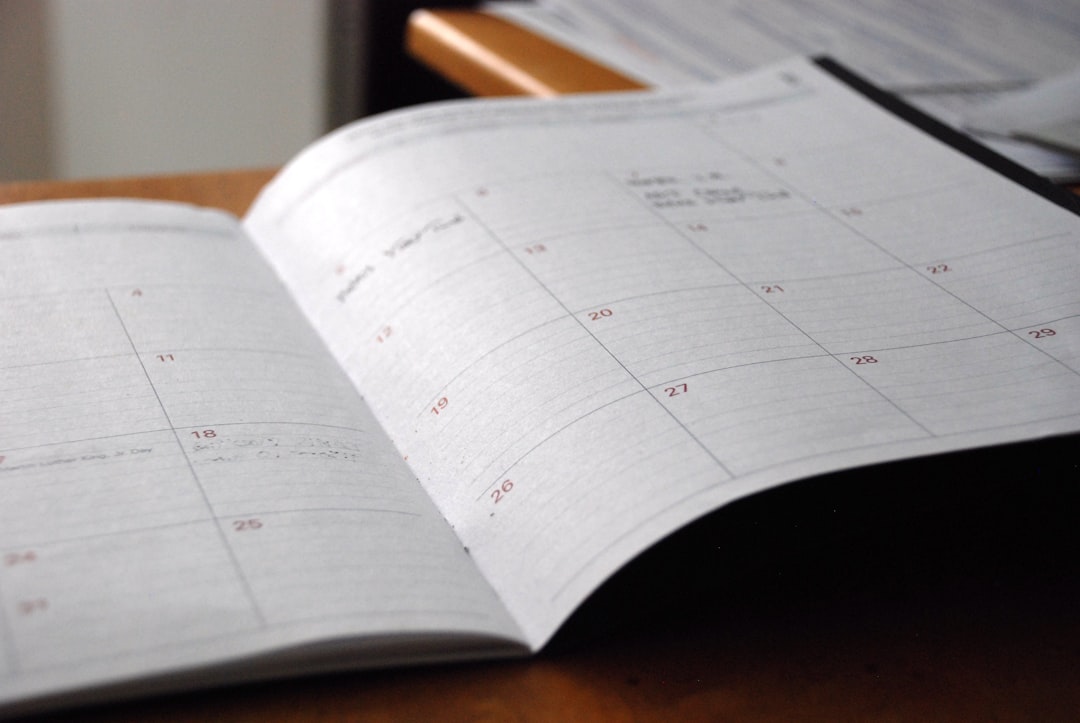
Spaced repetition is key. Instead of cramming before exams, review your cue column:
- Same day
- Three days later
- One week later
- Before the exam
This spaced approach aligns with the brain’s natural forgetting curve. Reviewing just before you’re about to forget something strengthens the memory trace significantly.
Even 10 minutes of structured review per subject each week can prevent hours of stressful cramming later.
Why Cornell Notes Improve Retention by 40%
The power of this system lies in how it combines multiple proven learning principles:
- Organization: Structured layout reduces cognitive overload.
- Active Recall: Cue column encourages memory retrieval.
- Elaboration: Summaries deepen understanding.
- Spaced Repetition: Built-in review improves durability.
- Metacognition: Reflecting on gaps improves self-awareness.
Most traditional note-taking stops at recording information. Cornell Notes go further — they build in processing and review.
Studies in educational psychology repeatedly demonstrate that students who actively test themselves outperform those who passively reread material. By structuring notes around questions, Cornell users automatically shift into high-efficiency learning mode.
Common Mistakes to Avoid
Even a strong system can fail if misused. Watch out for these pitfalls:
- Skipping the cue column: This removes the active recall benefit.
- Writing too much: Overly detailed notes reduce clarity.
- Never reviewing: Notes without repetition fade quickly.
- Copying slides verbatim: Passive transcription kills learning.
Remember: the magic happens after class during refinement and review.
Adapting Cornell Notes for Different Subjects
The system is flexible and works across disciplines:
For STEM courses:
- Place formulas and solved examples in the notes column.
- Use the cue column for practice problems.
- Summarize key problem-solving patterns.
For Humanities:
- Record arguments, dates, and quotes.
- Use cues for debate questions or thematic analysis.
- Summarize central thesis statements.
For Language Learning:
- Notes column for vocabulary and grammar rules.
- Cue column for translation prompts.
- Summary section for conversational examples.
This flexibility makes Cornell Notes a lifelong learning tool, not just a classroom strategy.
How to Build a Habit That Sticks
Like any method, consistency determines results. To turn Cornell Notes into a habit:
- Prepare templates before each class.
- Schedule 15-minute nightly review sessions.
- Keep all summaries in one master folder for exams.
- Evaluate and refine your notes weekly.
Within a few weeks, the system will feel natural. Many students report feeling more confident and less anxious before tests because they already have a built-in study guide.
Final Thoughts
The Cornell Note-Taking System is more than a way to write notes — it’s a structured thinking process. By dividing your page intentionally, creating recall-based questions, summarizing ideas, and reviewing strategically, you align your study habits with how the brain actually learns.
If you commit to using these five structured techniques consistently, you’ll likely notice a dramatic improvement not just in grades, but in comprehension and confidence. Retention doesn’t happen by accident — it happens by design. And the Cornell method provides that design in a simple, repeatable format that works.
Start with your very next lecture. Draw the lines. Take smarter notes. Ask better questions. And watch your memory strengthen with every review.