Have you ever seen the acronym LGBTIQCAPGNGFNBA and thought, “Wait… what?” You are not alone. At first glance, it looks like someone leaned on a keyboard. But it actually carries deep meaning. It represents identity, community, and inclusion. And surprisingly, about 68% of people misunderstand at least part of it.
TLDR: LGBTIQCAPGNGFNBA is a long acronym that represents many different sexual orientations and gender identities. Each letter stands for a specific group within the broader LGBTQ+ community. Many people misinterpret it because it looks complex and keeps evolving over time. When you break it down into simple parts, it becomes much easier to understand.
Let’s unpack it together. Slowly. Clearly. No stress.
Why Is the Acronym So Long?
Language evolves. Society evolves. And identity language evolves too.
Years ago, most people only heard LGB. Then it became LGBT. Then LGBTQ. Over time, more letters were added to represent more identities. The longer acronym is an attempt to be inclusive. It says, “We see you.”
But here’s the catch.
Long strings of letters can confuse people. Some think it’s exaggerated. Others assume it’s made up. That’s where the 68% misunderstanding comes in. Most confusion comes from not knowing what the later letters stand for.
So let’s fix that.
The Breakdown: Letter by Letter
Here is what LGBTIQCAPGNGFNBA stands for:
- L – Lesbian
- G – Gay
- B – Bisexual
- T – Transgender
- I – Intersex
- Q – Queer or Questioning
- C – Curious
- A – Asexual
- P – Pansexual
- G – Genderqueer
- N – Non-binary
- G – Genderfluid
- F – Friends and Family
- N – Neutrois
- B – Bigender
- A – Androgynous
Yes. That is a lot. But each term has meaning. Let’s simplify them.
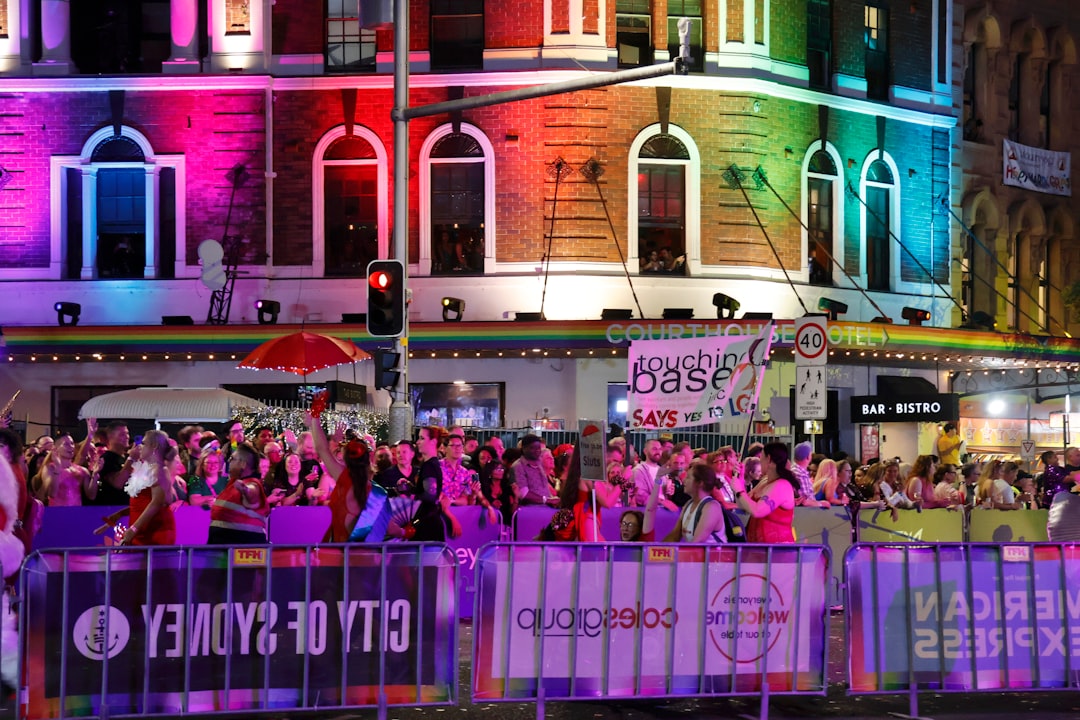
The First Four: The Foundation
Lesbian: A woman attracted to women.
Gay: A person attracted to people of the same gender. Often used for men.
Bisexual: Attraction to more than one gender.
Transgender: A person whose gender identity differs from their birth sex.
These four are the most widely recognized. Most people understand them. Misinterpretation usually starts after the “T.”
The Middle Letters: Often Misunderstood
Intersex: Someone born with biological traits that don’t fit typical male or female categories.
Queer: A broad term for people who are not straight or not cisgender. Some love it. Some dislike it. Context matters.
Questioning: A person exploring their identity.
Curious: Someone interested in exploring attraction beyond traditional labels.
Asexual: A person who experiences little or no sexual attraction.
Pansexual: Attraction to people regardless of gender.
Here’s where confusion spikes. Many people mix up bisexual and pansexual. Or they assume queer means the same thing as gay. It doesn’t. Words matter.
The Gender Identity Spectrum
Now we get into gender diversity.
Genderqueer: A person whose gender identity doesn’t follow traditional norms.
Non-binary: Someone who does not identify strictly as male or female.
Genderfluid: A person whose gender identity changes over time.
Neutrois: A person who identifies with a neutral or null gender.
Bigender: Someone who identifies as two genders.
Androgynous: A gender expression blending masculine and feminine traits.
This section causes the most debate. Why? Because many people confuse gender identity with biological sex. They are not the same thing.
- Sex is biological.
- Gender is identity.
Simple. But not always widely understood.
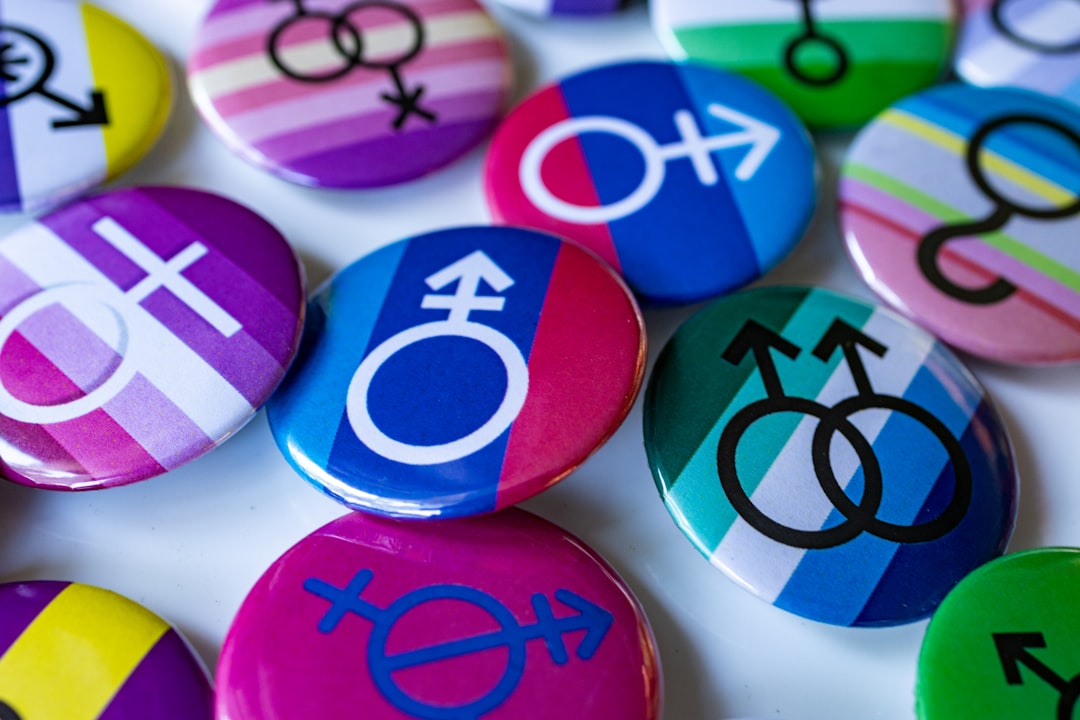
Friends and Family? Really?
Yes. The “F” stands for Friends and Family.
This recognizes allies. People who support and stand with the community. They may not identify as LGBTIQ+, but they are important.
Some versions of the acronym leave this out. Others include even more letters. There is no single “official” version.
That flexibility is both a strength and a source of confusion.
Why Do 68% of People Misinterpret It?
Let’s break down the key reasons.
1. It Looks Overwhelming
Be honest. That string of letters is intimidating. Many people stop trying before they start learning.
2. It Keeps Changing
The acronym evolves. New identities gain recognition. Language adapts. Some people see this as instability. But it’s really growth.
3. Terms Overlap
Bisexual. Pansexual. Queer. Genderqueer. Non-binary.
There are similarities. But they are not identical. Without explanation, they blur together.
4. Lack of Education
Many schools do not teach gender diversity. Media often simplifies things. So people rely on hearsay.
5. Online Jokes and Myths
Some claim the acronym is fake or exaggerated. That misinformation spreads fast. Especially on social media.
When humor mixes with ignorance, misunderstanding grows.
Is There a Simpler Way?
Yes. Many people now use LGBTQ+.
The plus symbol acts as an umbrella. It says, “And others not specifically listed.”
Some use LGBTQIA+. Others prefer simply “the queer community.”
There is no universal rule. Different spaces use different versions.
The long form exists mainly to highlight inclusion. It is more symbolic than practical.
Why Inclusion Matters
For people whose identities were ignored for decades, being named matters.
Recognition sends a message: You are valid.
Even if most conversations use shorter versions, the expanded acronym reminds us how diverse human identity truly is.
It is not about making language complicated.
It is about visibility.
Fun Fact: Not Everyone Likes Long Acronyms
Interestingly, even within the community, opinions differ.
- Some prefer shorter versions.
- Some feel long acronyms feel excessive.
- Others appreciate maximum inclusivity.
Language is personal. Identity is personal. So preferences vary.
How to Avoid Misinterpretation
Want to make sure you understand correctly? Here are simple tips:
- Ask respectfully. If appropriate, ask someone how they identify.
- Do not assume. Appearances do not define identity.
- Stay open. Language will continue to evolve.
- Use umbrella terms. When unsure, LGBTQ+ is widely accepted.
Most importantly, approach with curiosity. Not judgment.
The Big Picture
At its core, LGBTIQCAPGNGFNBA represents diversity.
It shows that human experience cannot fit into just two boxes.
It reflects decades of activism. Research. Personal storytelling.
Yes. It looks long. Yes. It can seem complicated.
But once you strip it down, it is simply about people. Real people. With real identities.
Final Thoughts
If you misinterpreted the acronym before, you are not alone. Remember that 68% statistic? That means most people start confused.
The good news?
Learning fixes confusion.
The next time you see LGBTIQCAPGNGFNBA, you won’t see random letters. You will see stories. Identities. Communities.
And maybe you will smile instead of squint.
Because now you know.