The medieval combat title Half Sword has attracted significant attention for its unusually realistic physics-driven swordplay and gritty presentation. As interest in the game has grown, so has a central question among players: Is Half Sword multiplayer? With ongoing development updates and an expanding player community, discussions around cooperative modes, competitive play, and future support have intensified. This article provides a comprehensive, up-to-date look at Half Sword’s multiplayer status, planned features, and confirmed 2026 developer updates.
TLDR: As of early 2026, Half Sword does not feature full online multiplayer in its public build, but developers have confirmed active experimentation with competitive and co-op systems. Limited local and testing-based PvP mechanics have been demonstrated during development, though not fully released. The studio has outlined plans for expanded multiplayer modes, but implementation depends on technical stability and physics optimization. Players can expect clearer roadmaps throughout 2026 as the project moves closer to a broader release phase.
Current Multiplayer Status
At its core, Half Sword has been built as a physics-based medieval combat simulator emphasizing realism above spectacle. Every strike, stumble, and grapple is calculated through detailed physics systems, making combat feel raw and often unpredictable. However, this same realism complicates multiplayer implementation.
As of February 2026:
- No full-scale online multiplayer mode is publicly available.
- The primary playable experience remains single-player skirmishes and duels against AI.
- Developers have demonstrated experimental player-versus-player systems in development builds.
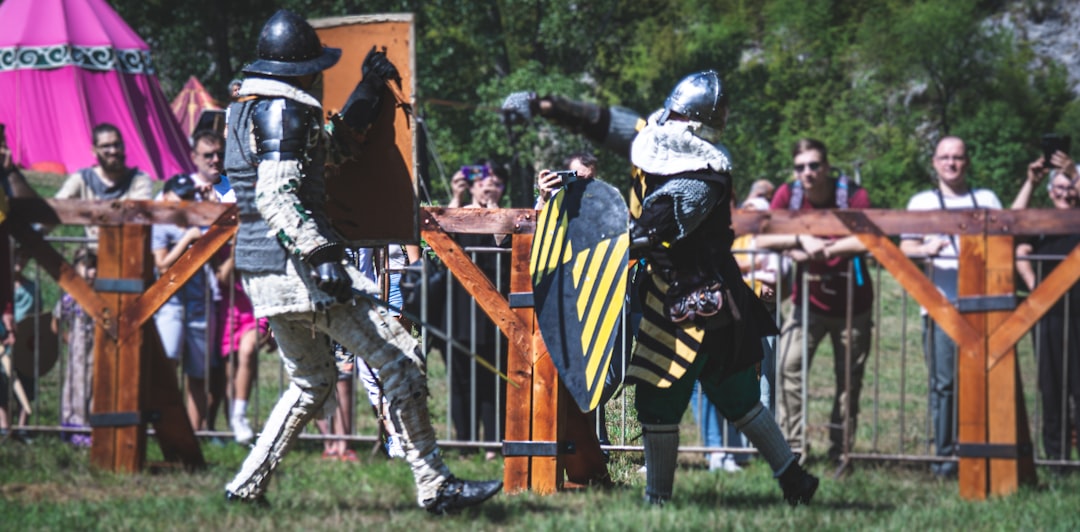
The technical hurdle lies in synchronizing complex ragdoll physics across multiple players in real time. Unlike traditional fighting games with animation locking and predictable hit detection, Half Sword dynamically calculates limb positioning, weapon force, armor interaction, and impact physics. Translating this into a stable online environment is a substantial engineering challenge.
Why Multiplayer Is Technically Challenging
Understanding why multiplayer is not yet standard in Half Sword requires a closer look at the game’s combat foundation. The title uses:
- Active ragdoll physics that respond dynamically to force
- Independent limb control instead of canned animations
- Realistic armor penetration calculations
- Procedural injury systems
In a single-player environment, these systems can run locally without concern for synchronization errors. In online multiplayer, however, even a slight discrepancy between two players’ simulations could result in wildly different outcomes—such as one player seeing a successful strike while the other sees a miss.
The development team has publicly acknowledged that “networking stable physics combat” is their most demanding obstacle. Rather than rushing an unstable feature, they have taken a slower, systems-first approach.
Competitive PvP: What Has Been Shown So Far
While a public competitive mode has not officially launched, development builds and limited testing footage have revealed early PvP functionality. These internal or showcase sessions demonstrate:
- Two-player duels in controlled arenas
- Simple lobby connections for testing
- Basic latency compensation systems
- Early hit validation frameworks
Importantly, these tests are not representative of a final multiplayer product. They are technical trials designed to measure stability under player-to-player physics stress.
Based on developer communications in late 2025 and early 2026, the team’s current PvP philosophy emphasizes:
- Authentic dueling over arcade-style combat
- Low player counts for stability
- Arena-based competitive design rather than open-world battlefields
If implemented successfully, Half Sword multiplayer will likely focus on small-scale duels and controlled encounters instead of massive medieval warfare scenarios.
Is Co-Op Mode Planned?
Cooperative gameplay represents another major question for the community. Players frequently ask whether they will be able to team up against AI combatants in realistic medieval scenarios.
As of 2026, developers have:
- Expressed interest in co-op modes
- Confirmed internal discussion of “shared survival scenarios”
- Not committed to a firm release date
Co-op may actually present fewer technical hurdles than competitive PvP. Because players would be fighting AI instead of each other, synchronization discrepancies would be less critical. This opens the door for potential modes such as:
- Two-player arena survival
- Defense scenarios against waves of AI knights
- Small-scale campaign missions
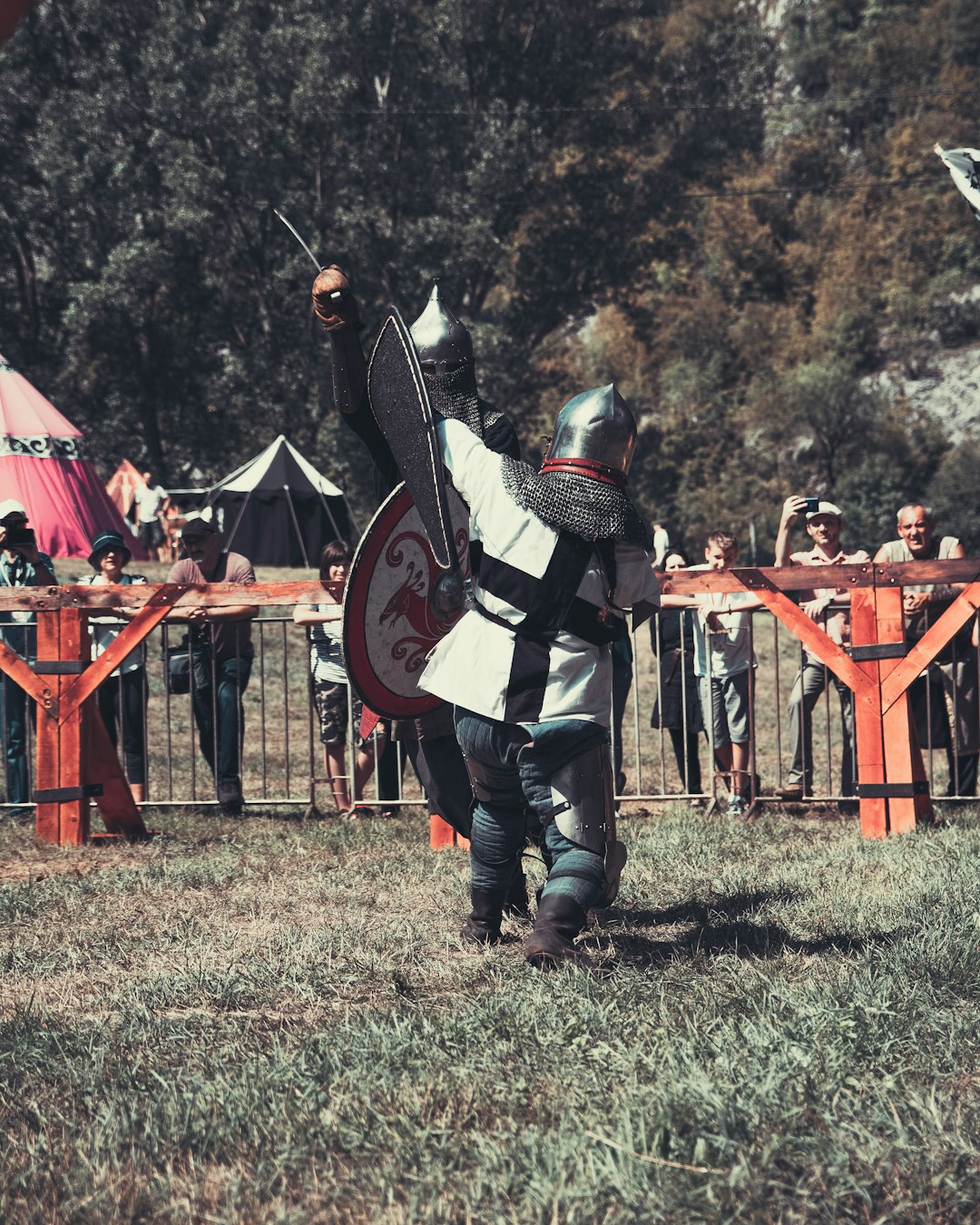
However, even cooperative play requires synchronized enemy behavior, consistent ragdoll replication, and stable damage calculation. The studio has indicated that they will not introduce co-op unless performance meets their minimum realism standards.
2026 Developer Updates and Official Statements
The beginning of 2026 has been marked by increased transparency from the development team. In recent communications, they outlined several priorities for the year:
- Physics optimization to improve stability and performance
- Networking prototyping focused on dueling environments
- Expanded armor and weapon systems
- Enhanced AI combat logic
The ordering of these priorities is significant. Multiplayer is directly dependent on optimization. Without reducing physics strain and stabilizing frame rates across systems, reliable synchronization is unrealistic.
Developers have avoided overpromising. Instead of announcing a fixed multiplayer launch window, they have characterized 2026 as a year of structured experimentation and infrastructure building.
Community Expectations vs. Development Reality
The game’s rapid rise in visibility has fueled strong demand for multiplayer features. Many players assume that competitive duels are a natural extension of its combat system. While that assumption makes sense from a gameplay perspective, it understates the technical complexity involved.
Community discussions frequently propose:
- Ranked dueling ladders
- Tournament brackets
- Clan-based team fights
- Large medieval melee battles
From a development standpoint, however, introducing even basic two-player matchmaking requires:
- Server infrastructure decisions
- Latency compensation algorithms
- Anti-cheat considerations
- Physics state reconciliation systems
Given the studio’s relatively small size compared to AAA developers, adopting a measured roadmap is both practical and necessary. Rushing multiplayer could undermine the core identity that makes Half Sword distinctive.
Possible Multiplayer Formats Moving Forward
Based on developer commentary and current technical trends, several realistic multiplayer formats may emerge first:
1. Local Multiplayer (Same Device)
This would allow two players to duel on a single machine. It minimizes networking concerns while still introducing shared gameplay experiences.
2. Invitation-Based Duels
Rather than open matchmaking, players might connect directly via friend invites. This approach reduces server load and allows controlled testing.
3. Limited Co-Op Survival
Small-scale cooperative arenas against AI could launch before competitive ranked systems.
4. Structured Competitive Mode
If stability targets are met, ranked one-versus-one dueling could follow in a later update cycle.
It is unlikely that large-scale battle modes will appear in the near term due to network strain and simulation intensity.
What Players Should Expect in 2026
For players eagerly awaiting multiplayer, the most realistic expectation for 2026 is incremental progress rather than full release. This may include:
- Closed multiplayer testing phases
- Demonstration builds for selected community members
- Public performance benchmarks
- Gradual reveal of networking architecture
A cautious rollout aligns with the team’s design philosophy. Half Sword’s appeal lies in its uncompromising realism. Compromising physics fidelity for quick multiplayer deployment would dilute its identity.
Final Assessment: Is Half Sword Multiplayer?
In its current public form, Half Sword is primarily a single-player experience. While multiplayer functionality has been demonstrated internally and discussed openly by developers, it is not yet fully integrated or widely playable.
That said, the project’s trajectory strongly suggests that multiplayer—particularly small-scale dueling—is a serious long-term objective. Co-op modes may arrive sooner due to their comparatively manageable technical requirements.
For now, players should view Half Sword as a highly detailed medieval combat simulator in active evolution. Multiplayer is not absent due to neglect; it is delayed due to technical ambition. If 2026 development milestones proceed as outlined, the foundation for stable online duels and cooperative scenarios may finally take shape.
In short, Half Sword multiplayer is not fully here yet—but it is clearly being built with care, deliberation, and long-term intent.