Starting an ecommerce business in 2026 has never been easier—or more affordable. With powerful free tools available for almost every part of the process, beginners can launch, market, and manage an online store without spending thousands of dollars upfront. Whether you’re selling handmade crafts, digital products, or dropshipped goods, there’s a rich ecosystem of beginner-friendly platforms waiting for you.
TLDR: In 2026, beginners can launch and grow an ecommerce business using free tools for store building, payments, design, marketing, analytics, and customer service. Platforms like Shopify (free trials), WooCommerce, Canva, Mailchimp, and Google Analytics offer powerful features at no cost. By combining the right tools strategically, new sellers can validate ideas and start generating revenue with minimal risk. Smart use of automation and AI-driven tools gives even solo entrepreneurs a competitive edge.
1. Free Ecommerce Store Builders
Your online store is your digital storefront, so choosing the right platform is critical. Fortunately, several tools offer free plans or trials that are perfect for beginners.
WooCommerce
If you already have a WordPress site, WooCommerce is one of the most flexible free ecommerce solutions available. It’s open-source, highly customizable, and supported by a massive community.
- Free core plugin
- Full control over customization
- Thousands of themes and extensions
- Excellent SEO capabilities
Shopify (Free Trial + Starter Plans)
While not permanently free, Shopify frequently offers extended free trials and low-cost starter options ideal for testing product ideas. Its intuitive interface makes it perfect for non-technical users.
Square Online
Square offers a genuinely free plan where you can sell products online and only pay transaction fees. It’s especially useful for small local businesses already using Square POS.
2. Free Payment Processing Tools
Getting paid securely is essential. Fortunately, many payment processors charge only per transaction, meaning you don’t pay monthly fees upfront.
Stripe
Stripe is widely trusted and easy to integrate with most platforms. There are no setup costs or monthly fees—just transaction charges.
PayPal
PayPal remains one of the most recognized payment systems globally. Offering buyer protection and strong security, it builds trust with new customers.
Square Payments
If you’re using Square Online, payments are seamlessly integrated, simplifying setup for beginners.
Pro tip: Always offer multiple payment options to reduce cart abandonment.
3. Free Design and Branding Tools
Strong branding can make even a beginner store look professional. You no longer need to hire expensive designers to create stunning branding assets.
Canva
Canva’s free plan includes thousands of templates for logos, social media posts, email banners, ads, and product mockups.
- Drag and drop interface
- Free logo maker
- Product packaging mockups
- Social media templates
Hatchful by Shopify
This free logo generator is designed specifically for ecommerce entrepreneurs, making brand creation fast and simple.
Unsplash
Need high-quality stock images? Unsplash offers thousands of free photos you can use in your store and marketing materials.

4. Free Marketing Tools
Marketing is where many beginners struggle—but free tools make promotion accessible.
Mailchimp (Free Plan)
Email marketing remains one of the highest ROI channels in ecommerce. Mailchimp’s free tier allows beginners to build an email list and send automated campaigns.
- Email automation
- Basic audience segmentation
- Analytics dashboard
- Pre-designed templates
Brevo (formerly Sendinblue)
Brevo offers a generous free email sending limit and includes SMS marketing capabilities.
Buffer
Managing multiple social media accounts is easier with Buffer’s free scheduling features.
TikTok and Instagram Built-In Tools
Both platforms offer powerful free insights and business tools to help you analyze engagement and optimize content.
Why this matters: Organic content is still one of the most cost-effective ways for beginners to generate traffic in 2026.
5. Free SEO and Analytics Tools
Data-driven decisions separate successful ecommerce brands from struggling ones.
Google Analytics
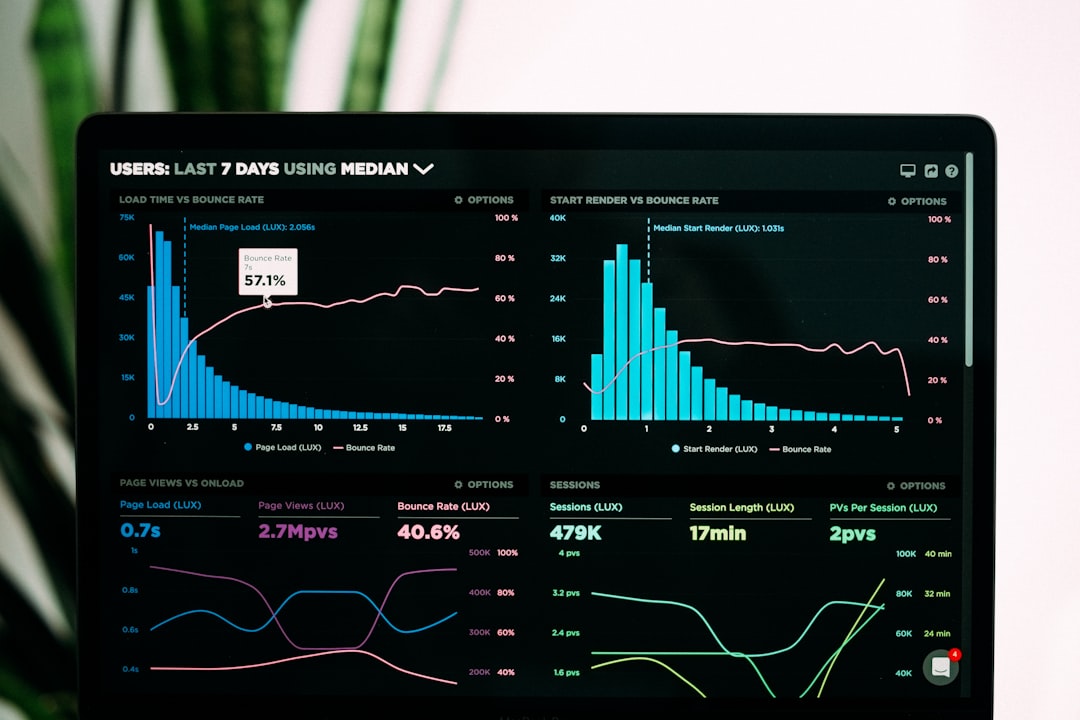
Google Analytics remains indispensable. It shows where visitors come from, what products they view, and where they drop off.
Google Search Console
Monitor keyword performance, indexing issues, and search visibility for free.
Ubersuggest (Free Version)
Keyword research is essential for organic growth. Ubersuggest provides limited but helpful daily search data at no cost.
- Keyword suggestions
- Competition analysis
- Traffic estimates
6. Free Customer Support Tools
Fast and friendly support builds loyalty. Even small stores can deliver a professional experience with the right tools.
Tawk.to
This completely free live chat solution allows you to communicate with customers in real time.
Zendesk (Free Trial)
Though primarily paid, Zendesk offers trials that help beginners understand professional ticketing systems.
HubSpot CRM (Free)
HubSpot’s free CRM lets you store customer contacts, track conversations, and automate follow-ups.
7. Free AI Tools for Ecommerce Beginners
Artificial intelligence is no longer optional—it’s becoming a competitive advantage, even for beginners.
ChatGPT Free Version
Use it to generate:
- Product descriptions
- Email campaigns
- Ad copy
- Blog content
Shopify Magic
Built-in AI tools help create descriptions and marketing content almost instantly.
Remove.bg
Create professional product photos by removing backgrounds automatically.
AI tools dramatically reduce the time and cost required to polish your store.
8. Free Inventory and Order Management Tools
As your business grows, organization becomes critical.
Zoho Inventory (Free Plan)
Zoho offers free inventory management for small-scale sellers with limited orders per month.
Odoo Community Edition
This open-source platform provides powerful inventory and ERP tools at no cost if self-hosted.
Keeping inventory accurate improves customer satisfaction and reduces costly errors.
How to Combine These Tools Strategically
Using free tools effectively isn’t about downloading everything—it’s about building a streamlined system.
Example beginner stack in 2026:
- WooCommerce + Stripe for selling
- Canva for design
- Mailchimp for email marketing
- Google Analytics for tracking
- Tawk.to for customer support
- ChatGPT for content creation
With this setup, your primary costs are hosting and transaction fees—dramatically lowering entry barriers.
Final Thoughts
The biggest misconception about ecommerce is that you need substantial capital to get started. In 2026, the opposite is often true. The barrier to entry is lower than ever thanks to high-quality free tools that rival premium software from just a few years ago.
What truly determines success isn’t your budget—it’s how effectively you validate your ideas, understand your audience, and use available tools strategically. Start simple. Automate where possible. Track your results. Improve consistently.
With the right combination of free ecommerce tools, beginners can launch confidently, test products quickly, and scale intelligently—without financial pressure holding them back.
The opportunity has never been more accessible. The only question is: what will you build?