From artificial intelligence breakthroughs to space-tech revolutions, the pace of technological innovation continues to accelerate in unpredictable ways. As world economies recover from recent global shifts, emerging technologies are not only adapting to a new normal but actively shaping what comes next. In this article, we dive into the most promising and disruptive technologies that are making waves across industries.
TL;DR
Emerging technologies in 2024 are transforming industries, from AI-powered assistants to space tourism and green tech. The lines between physical and digital realities are blurring with the rise of AR, VR, and the metaverse. Breakthroughs in healthcare, clean energy, and quantum computing are shaping the world of tomorrow. Here’s a detailed look at the innovations defining the next decade.
1. Generative AI: Beyond Content Creation
Artificial Intelligence, particularly generative AI, has reached new heights in 2024. What began as tools to generate texts and images has evolved into sophisticated AI systems that can code, design products, and even create complex models in engineering and science.
Key Innovations:
- AI Scientists capable of hypothesizing scientific models and testing them in simulated environments.
- AI-based design tools now co-create in fashion, architecture, and industrial design.
- Multimodal models that understand and produce content across text, audio, and video seamlessly.
The integration of AI into everyday tools—like word processors, customer service, and home appliances—has transformed user experiences at scale. Companies such as Google, OpenAI, and startups across Asia are at the forefront of this AI explosion.

2. Energy Innovation: Clean and Abundant Power
With climate concerns pressing harder than ever, 2024 has marked an inflection point in the adoption of green energy. Solar and wind technologies have witnessed record efficiency gains, while new storage solutions are redefining what’s possible for clean energy on-demand.
Notable Trends in Energy Tech:
- Perovskite solar panels outperform older silicon-based models and are cheaper to produce.
- Solid-state batteries are now being deployed in electric vehicles, increasing range and safety.
- Green hydrogen plants powered by renewables are being commissioned globally.
Additionally, fusion energy—once considered science fiction—is closer to viability. U.S. and European labs are reporting sustained energy production events, pushing us toward a future where limitless, clean energy could become reality in the next 10–15 years.
3. The Metaverse Is Maturing
The concept of the Metaverse has moved well beyond gaming into business, education, and social interaction. With recent advances in virtual reality (VR), augmented reality (AR), and avatar-based communication, digital spaces are becoming as integral as physical ones.
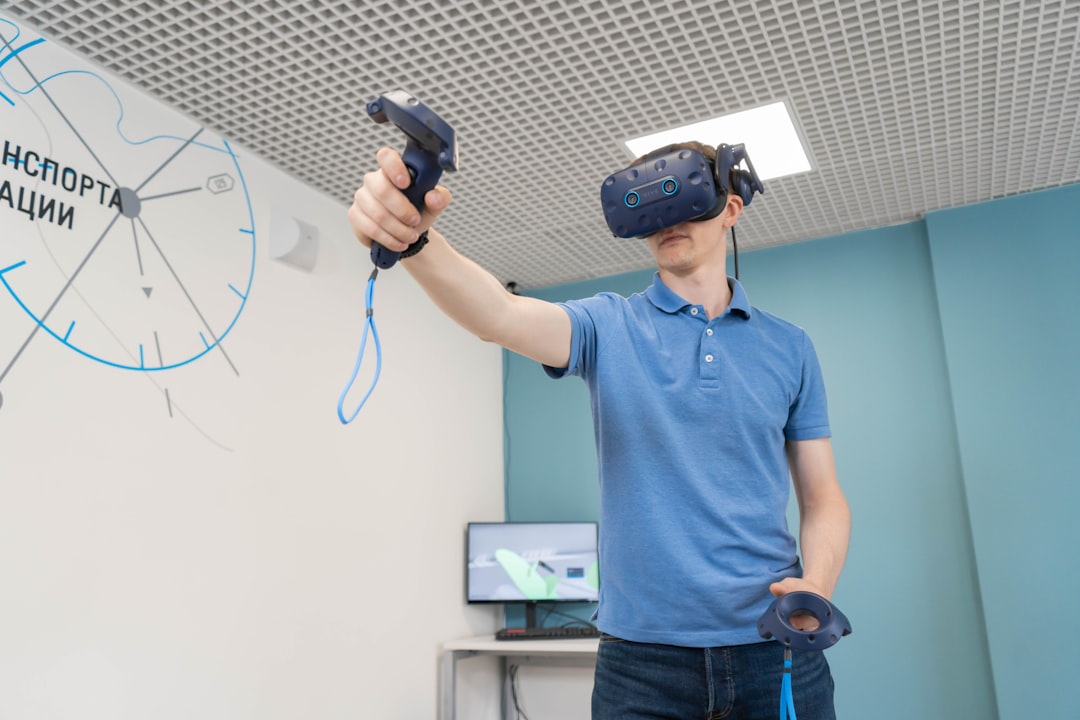
What’s New in the Metaverse Space:
- High-fidelity avatars and realistic digital twins enhance collaboration in virtual workspaces.
- Metaverse real estate sales hit new highs, especially in cities like Dubai and Seoul that have virtual public offices.
- Education platforms are offering immersive learning experiences, from virtual biology labs to historical reenactments in VR.
Companies like Meta, Apple, and HTC are redefining the boundaries of this digital frontier with new devices like light-weight AR glasses and powerful VR headsets.
4. Quantum Computing: Moving from Lab to Industry
Quantum computing is no longer just reserved for elite university labs. In 2024, industries ranging from finance to pharmaceuticals are piloting quantum projects to solve real problems.
Industrial Applications Now in Focus:
- Pharmaceutical firms using quantum simulations for drug discovery and protein folding.
- Financial institutions applying quantum algorithms for portfolio optimization and fraud detection.
- Material science companies modeling atomic interactions at unprecedented precision.
IBM, Google, and numerous startups are racing to build fault-tolerant quantum computers that can perform beyond classical supercomputing capabilities. Despite challenges in error correction and scalability, 2024 feels like the dawn of a quantum decade.
5. Biotechnology and Personalized Medicine
The healthcare sector is rapidly adopting advanced technologies to enable faster, more personalized, and predictive care. Gene-editing, digital twins of patients, and AI diagnostics are leading this biotechnological evolution.
Emerging Technologies in Health:
- CRISPR 3.0 tools allow for precise gene modifications with far fewer off-target effects.
- Digital twin models simulate an individual’s biology to predict reactions to treatments before they are administered.
- AI-driven diagnostic tools are outperforming human specialists in cancer and retinal disease detection.
From wearable health monitors to neurotechnology that enables brain-computer interfaces, the future of medicine is looking smarter, faster, and more patient-specific than ever before.
6. Autonomous Systems and Robotics
Autonomous systems have expanded beyond self-driving cars. In 2024, we see robots delivering goods, cleaning oceans, and even farming smarter. Thanks to enhanced machine learning and sensory computing, these robots are more adaptable than their predecessors.
Examples of Robotic Innovation:
- Brain-controlled prosthetics and exoskeletons for rehabilitation and physical therapy.
- Autonomous agricultural drones planting, irrigating, and harvesting with extraordinary precision.
- Underwater exploration robots mapping previously unreachable ocean regions for climate science.

As robotics edges closer to generalist capabilities, we’re approaching a future where human and machine labor harmoniously co-exist, particularly in labor shortages or high-risk jobs.
7. Space Technologies: The New Space Race
The space industry is experiencing a renaissance. Not limited to NASA or national agencies, 2024 has seen dozens of private and commercial players sending payloads into orbit, testing moon missions, and planning for Mars habitation.
Space Tech Developments:
- Reusable rocket technology is slashing launch costs dramatically.
- Satellites are providing global internet access, empowering even the most rural communities.
- Lunar infrastructure projects are being supported by international collaborations.
Notably, space tourism is gaining traction, with commercial flights becoming more accessible to the affluent and adventurous. These initiatives could soon normalize off-Earth experiences in ways we once only dreamed about.
8. Cybersecurity in the Era of AI and IoT
As technology advances, so does the complexity of cybersecurity threats. The proliferation of the Internet of Things (IoT), coupled with generative AI, has expanded the attack surface for malicious actors. In response, cybersecurity tools have become more autonomous and predictive.
Cybersecurity Trends in 2024:
- Zero-trust frameworks powered by AI that adapt in real-time to threats.
- Quantum encryption to secure communications against future quantum attacks.
- AI-based behavioral analysis to detect insider threats and anomalous actions.
With an increased focus on decentralized identity management and secure digital footprints, individuals and organizations alike are investing more heavily in digital resilience strategies.
Looking Ahead
2024 is proving to be a landmark year for innovation. The merging of digital intelligence with the physical world is reshaping how we work, live, and interact. Whether it’s traveling to space, designing homes with AI, or curing diseases before symptoms show, these technologies are more than trends—they are seismic shifts in human progress.
As these emerging technologies continue to evolve, keeping informed and adaptable is key not only for tech professionals but for every global citizen navigating this exciting new era.