Factories are getting smarter. Warehouses are getting faster. Hospitals are getting more automated. And behind the scenes, hundreds of robots are moving, lifting, sorting, cleaning, and delivering. But here’s the big question: who tells all these robots what to do?
The answer is robot fleet orchestration platforms. These systems act like air traffic control for robots. They assign tasks. They avoid traffic jams. They manage charging. They keep everything running smoothly.
TLDR: Robot fleet orchestration platforms manage large groups of autonomous robots in warehouses, hospitals, factories, and cities. They assign tasks, optimize routes, prevent collisions, and monitor robot health. The best platforms are scalable, easy to integrate, and packed with AI-driven analytics. Below are seven powerful platforms that manage hundreds, even thousands, of robots at the same time.
Let’s break it down in a fun and simple way.
What Is Robot Fleet Orchestration?
Imagine 300 robots in a warehouse.
- Some are moving shelves.
- Some are picking items.
- Some are charging.
- Some are waiting for tasks.
If they all moved randomly, chaos would happen. That’s where orchestration software comes in.
It works like a digital conductor leading a robot orchestra. It decides:
- Who does what
- When they do it
- Which path they take
- When they recharge
- How to avoid collisions
Now let’s meet the platforms that do this at scale.
1. Amazon Robotics Fleet Management System
Amazon operates one of the largest robot fleets in the world. We’re talking about hundreds of thousands of mobile robots.
Inside Amazon fulfillment centers, robots move shelves to human workers. The orchestration system coordinates all movement in real time.
Why it stands out:
- Massive scale deployment
- Real-time route optimization
- Dynamic task allocation
- AI-powered demand forecasting
The system constantly recalculates routes. If one area gets busy, robots are rerouted instantly.
Image not found in postmetaIt’s fast. It’s efficient. And it sets the gold standard.
2. MiR Fleet (Mobile Industrial Robots)
MiR Fleet is popular in factories and hospitals. It manages fleets of MiR autonomous mobile robots (AMRs).
The software connects robots through a central interface. Managers can monitor everything from a single dashboard.
Key features:
- Centralized control panel
- Traffic control system
- ERP and MES integration
- Automatic charging coordination
It’s simple to use. Even non-technical teams can operate it.
MiR Fleet focuses heavily on safety. Robots detect obstacles and reroute automatically.
3. Fetch Robotics (Zebra Technologies) Fleet Manager
Fetch Fleet Manager is built for scalable warehouse automation.
It connects cloud-based intelligence with on-ground robots. This means companies can manage fleets across multiple facilities.
What makes it powerful:
- Cloud-based analytics
- Multi-site fleet management
- API integrations
- Usage performance reports
Managers get insights like robot utilization rates and idle time. That means better decision making.
It’s not just about movement. It’s about optimization.
4. OTTO Motors Fleet Manager
OTTO Motors focuses on industrial environments. Think heavy manufacturing and automotive plants.
Its fleet manager allows hundreds of robots to safely move large payloads.
Core strengths:
- Traffic management zones
- Smart path planning
- Automatic mission queuing
- Safety-rated obstacle avoidance
OTTO’s system shines in complex environments. It handles intersections like a smart city handles traffic lights.
Image not found in postmetaIt constantly adapts to layout changes. That’s critical in growing factories.
5. Geek+ Fleet Management Platform
Geek+ is a major robotics provider in Asia and beyond. Its orchestration platform handles goods-to-person robots, sorting robots, and pallet movers.
The highlight? Scale.
Geek+ systems often coordinate thousands of robots in mega warehouses.
Top capabilities:
- AI-based task allocation
- Heat map visualization
- Peak hour scaling
- Energy usage optimization
The system predicts congestion before it happens. Then it adjusts assignments early.
Smart. Preventative. Efficient.
6. Brain Corp Fleet Management
Not all fleets live in warehouses.
Brain Corp powers autonomous floor cleaning robots in stores, airports, and malls.
Their BrainOS platform connects thousands of cleaning robots globally.
Why it’s unique:
- Cloud-connected updates
- Usage analytics
- Remote diagnostics
- Performance benchmarking
Store managers can compare cleaning coverage between locations.
It brings retail into the robot era.
7. InOrbit Robot Space
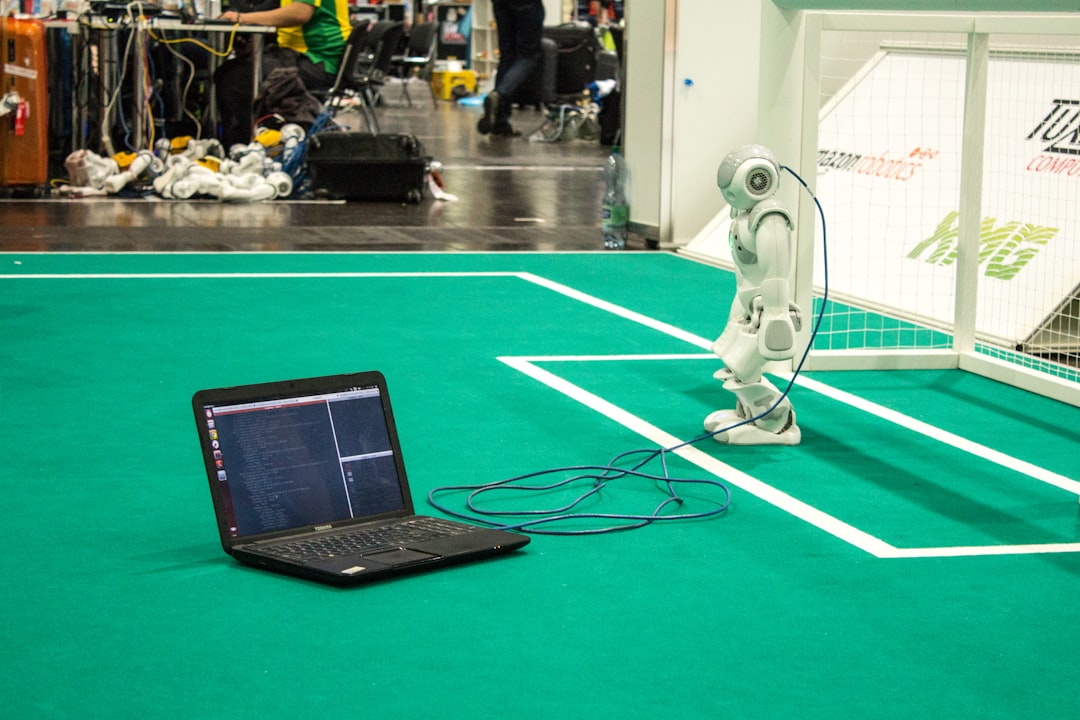
InOrbit is different. It’s robot-agnostic.
That means it can connect robots from different manufacturers into one orchestration layer.
This is powerful for companies running mixed fleets.
Main benefits:
- Interoperability
- Cloud-native architecture
- Real-time telemetry
- Developer-friendly APIs
It acts like a universal translator for robots.
This flexibility makes it popular with tech-forward enterprises.
Comparison Chart
| Platform | Best For | Cloud Based | Multi Brand Support | Large Scale Capability |
|---|---|---|---|---|
| Amazon Robotics | Massive fulfillment centers | Hybrid | No | Extremely High |
| MiR Fleet | Factories and hospitals | Yes | No | High |
| Fetch Fleet Manager | Warehouse networks | Yes | No | High |
| OTTO Motors | Heavy industry | Hybrid | No | High |
| Geek+ | Mega warehouses | Yes | No | Very High |
| Brain Corp | Retail cleaning robots | Yes | No | Very High |
| InOrbit | Mixed robot fleets | Yes | Yes | Scalable |
What Makes a Great Fleet Orchestration Platform?
Not all software is equal.
Here’s what separates average from amazing:
1. Scalability
Can it handle 10 robots today and 1,000 tomorrow?
2. Real-Time Decision Making
Robots move fast. The software must move faster.
3. Smart Traffic Control
No collisions. No deadlocks. No gridlock.
4. Charging Optimization
Robots should charge without disrupting operations.
5. Data and Analytics
Insights help improve ROI.
6. Easy Integration
It must connect with WMS, ERP, MES, and other enterprise systems.
The Future of Robot Fleet Orchestration
The future looks exciting.
Here’s what we’re likely to see:
- Cross-brand robot collaboration
- AI predicting failures before they happen
- Self-learning traffic systems
- 5G-enabled ultra low latency control
- Edge computing for faster decisions
We may even see cities managing delivery robots the way airports manage airplanes.
That means digital control towers for sidewalks.
It’s not science fiction. It’s already starting.
Final Thoughts
Robots are no longer isolated machines.
They work in teams. Big teams.
And every great team needs coordination.
Robot fleet orchestration platforms are the invisible brains behind modern automation. They reduce downtime. They prevent chaos. They boost productivity.
Without them, hundreds of robots would just be expensive bumper cars.
With them, industries become smarter, faster, and more efficient.
The robot revolution is not just about hardware.
It’s about the software that keeps everything moving in harmony.
And that harmony is only getting better.