Speed has become the defining factor of modern restaurant success. In an era of online ordering, delivery platforms, and impatient diners, restaurants that move quickly win loyalty, higher turnover, and stronger profits. The difference between a 20-minute experience and a 10-minute one can determine whether customers return or leave a negative review. Fortunately, advanced restaurant management systems are transforming the way kitchens, servers, and managers operate—boosting service speed by as much as 75%.
TLDR: Restaurant management systems streamline operations, minimize human error, and automate repetitive tasks to dramatically increase service speed. From cloud-based POS systems to AI-powered kitchen displays, the right tools cut order processing time, reduce staff confusion, and optimize workflows. Many restaurants report service speed improvements of up to 75% when implementing integrated systems. This article explores seven powerful systems and compares how they enhance performance and customer satisfaction.
Why Service Speed Matters More Than Ever
Customers today expect convenience. Whether dining in, picking up, or ordering online, they value fast, frictionless experiences. Slow ticket times lead to crowded lobbies, stressed servers, and frustrated guests.
Improving service speed doesn’t just please customers—it also:
- Increases table turnover and revenue per hour
- Reduces labor costs through efficiency
- Minimizes order errors and food waste
- Boosts online ratings and customer loyalty
Below are seven restaurant management systems that are fundamentally changing the pace of hospitality.
1. Cloud-Based Point of Sale (POS) Systems
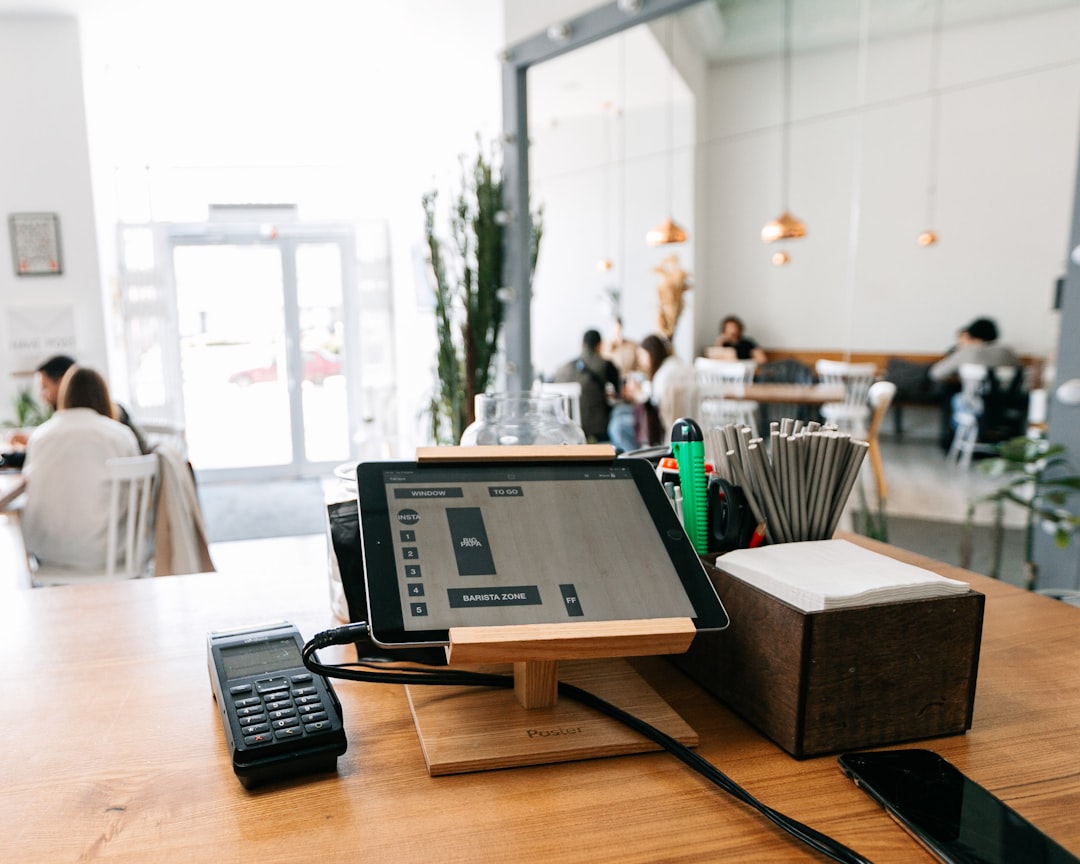
A modern cloud-based POS system is the nerve center of restaurant operations. Unlike traditional systems, cloud-based POS platforms update in real time, integrate with multiple tools, and allow flexible ordering from tablets or handheld devices.
How it boosts speed:
- Servers send orders instantly from tableside devices
- Automatic syncing with kitchen displays
- Integrated payment processing reduces checkout time
- Real-time menu updates prevent ordering unavailable items
Restaurants switching to handheld POS devices often report shaving 3–5 minutes per table simply by eliminating back-and-forth trips.
2. Kitchen Display Systems (KDS)
Paper tickets slow kitchens down. They get lost, smudged, or misread. A Kitchen Display System (KDS) replaces printed tickets with digital screens that organize and prioritize orders automatically.
Key speed advantages:
- Color-coded ticket prioritization
- Automatic timers for each order
- Instant updates for modifications or cancellations
- Integration with multiple ordering channels
By eliminating paper clutter and improving visibility, kitchens often reduce ticket times by 20–40%. Staff can focus on cooking instead of sorting through paper slips.
3. Online Ordering and Delivery Integration Systems
Manually entering third-party delivery orders into a POS system wastes time and increases human error. Integrated online ordering systems automatically push digital orders into your POS and KDS.
Speed improvements include:
- No re-entering delivery app orders
- Immediate kitchen notifications
- Automatic prep-time adjustments based on traffic
- Order throttling to prevent overload
This automation reduces staff workload while allowing restaurants to handle higher volumes without slowing down service.
4. AI-Powered Inventory Management Systems
Running out of key ingredients mid-shift can cripple service speed. AI-driven inventory systems forecast demand, track usage patterns, and generate automatic purchase orders.
Speed benefits include:
- Preventing last-minute menu shortages
- Reducing prep delays due to missing ingredients
- Automating stock tracking across locations
- Streamlining supplier communication
With accurate forecasting, teams prep correctly for rush hours—eliminating bottlenecks before they happen.
5. Table Management and Reservation Systems
Managing guest flow is essential during peak business hours. Table management software visualizes seating in real-time, predicts wait times, and sends automated guest notifications.
How it drives faster service:
- Quicker table seating and turnover tracking
- Optimized guest flow during rush periods
- SMS alerts reducing lobby congestion
- Improved host communication
By efficiently assigning tables and pacing reservations, restaurants eliminate unnecessary waiting and maximize utilization.
Image not found in postmeta6. Employee Scheduling and Workforce Management Tools
Understaffing and overstaffing both slow service. Smart workforce management systems analyze historical sales and suggest optimal staffing levels.
Speed-focused features:
- Predictive scheduling based on sales trends
- Shift swap automation
- Real-time labor cost tracking
- Performance analytics for staff efficiency
By having the right number of team members during peak hours, restaurants avoid operational drag and maintain consistent speed.
7. Self-Service Kiosks and Mobile Payment Solutions
Self-service ordering kiosks and mobile payment apps free up staff while empowering customers. Particularly effective in fast-casual concepts, these systems dramatically reduce checkout congestion.
Speed enhancements include:
- Customers enter orders directly
- Fewer order miscommunications
- Faster payment processing
- Upselling prompts that increase order value
Restaurants implementing kiosks frequently report cutting ordering time by 50–75% during busy periods.

Comparison Chart: 7 Restaurant Management Systems
| System | Primary Function | Average Speed Improvement | Best For |
|---|---|---|---|
| Cloud POS | Order processing & payments | 15–30% | Full-service & multi-location restaurants |
| Kitchen Display System | Digital ticket management | 20–40% | High-volume kitchens |
| Online Ordering Integration | Auto-sync delivery orders | 15–25% | Restaurants using delivery apps |
| AI Inventory Management | Demand forecasting | 10–20% | Mid to large-scale operations |
| Table Management System | Reservation & seating flow | 10–30% | Full-service dining |
| Workforce Scheduling Tool | Optimized staffing | 15–25% | Restaurants with fluctuating demand |
| Self-Service Kiosks | Customer-driven ordering | 50–75% | Quick-service & fast-casual |
The Real Impact: A Connected Ecosystem
While each system brings value independently, the biggest performance gains happen when tools are fully integrated. A cloud POS synced with inventory management, connected to kitchen displays, and supported by AI scheduling creates a seamless workflow.
This interconnected ecosystem:
- Eliminates redundant data entry
- Reduces miscommunication
- Creates real-time transparency
- Accelerates every operational stage
Instead of solving isolated bottlenecks, restaurants transform into smooth, high-speed machines.
Implementation Tips for Maximum Speed Gains
Technology alone doesn’t guarantee results. Successful implementation requires:
- Staff training: Ensure every employee understands system workflows.
- Gradual rollout: Introduce systems in phases to avoid disruption.
- Data monitoring: Track before-and-after metrics to measure improvements.
- Customer communication: Help guests adapt to new ordering methods.
Restaurants that combine modern systems with strong leadership experience the most dramatic speed increases.
Final Thoughts
Restaurant service speed is no longer just a competitive advantage—it’s a survival requirement. Customers expect immediacy, accuracy, and convenience. The seven systems outlined above don’t just streamline processes; they fundamentally reengineer how restaurants operate.
From AI-powered inventory forecasting to self-service kiosks that reduce queues by 75%, these solutions eliminate friction at every step of the dining journey. When thoughtfully implemented and integrated, restaurant management systems allow teams to serve more guests, more efficiently, without sacrificing quality.
In the race for faster service, technology isn’t replacing hospitality—it’s empowering it.