Running a seasonal small business can feel like riding a roller coaster. One month, sales are booming. The next, they’re quiet. Cash flows in fast. Then it slows to a trickle. If you don’t manage that flow carefully, things can get stressful very quickly. The good news? There are smart tools that make cash flow management simple and even a little fun.
TLDR: Seasonal businesses face uneven cash flow, so planning ahead is critical. The right tools help you forecast income, track expenses, manage inventory, and secure backup funding. This article covers seven easy-to-use cash flow management tools that keep your business steady all year. Pick a few, use them consistently, and enjoy less stress during the slow season.
Let’s explore seven tools that can help you stay in control of your money—no matter the season.
1. Cash Flow Forecasting Software
If you run a seasonal business, forecasting is your best friend.
Cash flow forecasting software helps you predict when money will come in and when it will go out. You can enter past sales numbers. The software uses that data to estimate future revenue. It’s like a weather forecast for your finances.
Popular tools include:
- Float
- Pulse
- QuickBooks Cash Flow Planner
Why it matters:
- Helps you prepare for slow months
- Prevents surprise cash shortages
- Makes planning inventory easier
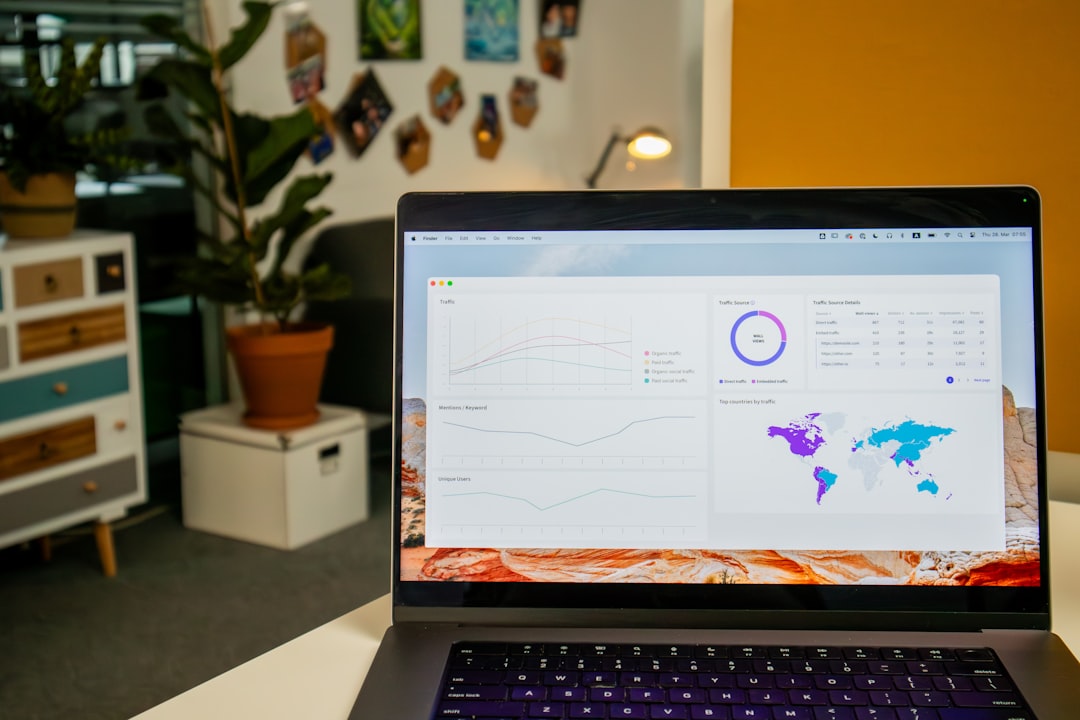
Pro tip: Update your forecast monthly. Short sentences. Small steps. Big impact.
2. Budgeting Tools
A budget is not a restriction. It’s a plan.
Seasonal businesses need two budgets:
- Peak season budget
- Off-season survival budget
Apps like YNAB, FreshBooks, and Xero make budgeting simple. You can track fixed costs like rent. You can monitor variable costs like inventory and marketing.
Smart move: During peak season, pretend you are already in the slow season. Save aggressively. Set aside tax money. Build a cushion.
Think of your budget as your financial seatbelt. You may not always need it. But you’ll be glad it’s there.
3. Inventory Management Systems
Inventory can eat your cash.
If you overstock before demand drops, your money gets stuck on shelves. If you understock during peak months, you lose sales.
Inventory management tools help balance this.
Great options include:
- TradeGecko
- Zoho Inventory
- Square for Retail
These tools show:
- What’s selling fast
- What’s moving slowly
- When to reorder
Bonus tip: Negotiate flexible supplier terms during your high season. Ask for delayed payments during slower months. Many vendors are open to it.
Cash flow improves when inventory moves smoothly.
4. Accounts Receivable Automation
Waiting for customers to pay? That’s painful.
Late payments can hurt seasonal businesses badly. Especially when you rely on peak months to carry you through the year.
Accounts receivable tools automate invoicing and reminders.
Examples include:
- Wave
- FreshBooks
- QuickBooks Online
Key benefits:
- Automatic invoice reminders
- Online payment options
- Faster collection times
Small change. Big difference.
Even shortening payment time from 30 days to 15 days can stabilize your cash position.
5. Business Line of Credit
Sometimes, you need backup.
A business line of credit acts like a safety net. You borrow only what you need. You pay interest only on what you use.
This is perfect for:
- Covering payroll in off-season months
- Buying inventory before peak season
- Bridging temporary gaps
Many banks and online lenders offer flexible options.
Important: Apply when your business is strong. Not when you are desperate. Approval is easier during profitable months.
Think of it as an umbrella. Open it before it rains.
6. Seasonal Savings Account
This tool is simple. But powerful.
Open a separate savings account just for off-season expenses.
During peak months:
- Transfer a fixed percentage of daily sales
- Automate weekly transfers
- Do not touch it
This account becomes your slow-season fuel tank.

Why it works:
- Creates discipline
- Reduces panic
- Keeps operating money separate
Out of sight. Out of temptation.
7. Expense Tracking Apps
You can’t control what you don’t track.
Expense tracking apps show exactly where your money is going.
Popular options:
- Expensify
- Zoho Expense
- Wave
These tools:
- Categorize expenses automatically
- Sync with bank accounts
- Generate easy reports
When the slow season hits, review your reports. Cut what’s not essential. Keep what drives revenue.
Clarity creates confidence.
Quick Comparison Chart
| Tool | Main Purpose | Best For | Difficulty Level |
|---|---|---|---|
| Cash Flow Forecasting Software | Predict future income and expenses | Long term planning | Medium |
| Budgeting Tools | Control spending | Peak and off-season balance | Easy |
| Inventory Management Systems | Optimize stock levels | Retail and product businesses | Medium |
| Accounts Receivable Automation | Speed up payments | Service-based businesses | Easy |
| Business Line of Credit | Emergency funding | Cash gaps | Medium |
| Seasonal Savings Account | Reserve off-season funds | All seasonal businesses | Very Easy |
| Expense Tracking Apps | Monitor spending | Cost control | Easy |
How to Use These Tools Together
You don’t need all seven at once.
Start simple:
- Open a seasonal savings account
- Use an expense tracker
- Create a basic forecast
Then grow from there.
The real power comes when tools work together.
For example:
- Your forecasting tool shows a slow January.
- Your savings account already has funds set aside.
- Your budgeting app limits extra spending.
- Your line of credit stays untouched.
That’s control.
Final Thoughts
Seasonal small businesses are not risky. They are predictable. The highs are high. The lows are expected. The trick is managing the space in between.
Cash flow problems usually don’t happen overnight. They build quietly. Missed forecasts. Late invoices. Extra spending during peak months.
But with the right tools, you stay ahead.
Keep it simple. Check your numbers often. Save during good months. Plan for slower ones.
When your cash flow is steady, your stress drops. Your confidence rises. And your business becomes stronger season after season.
That’s the goal.