Hiring the right talent quickly has become one of the most important competitive advantages in modern business. In an era where top candidates are off the market in less than two weeks, companies can no longer afford slow, manual, or disorganized hiring processes. This is where HR management software steps in. Today’s most advanced tools use automation, artificial intelligence, and smart analytics to streamline recruiting workflows and dramatically improve efficiency—sometimes by as much as 70%.
TLDR: Modern HR management software significantly accelerates hiring by automating repetitive tasks, improving candidate screening, and centralizing recruitment workflows. Tools like Workday, BambooHR, Lever, Greenhouse, Zoho Recruit, and SmartRecruiters help companies reduce time to hire, improve candidate quality, and enhance collaboration. When implemented properly, these platforms can cut administrative workload by up to 70% and deliver measurable ROI. The key is choosing the right tool based on your company’s size, hiring volume, and recruitment goals.
Below, we explore six powerful HR management software tools that are transforming hiring efficiency, along with a comparison chart to help you evaluate them quickly.
Why HR Software Improves Hiring Efficiency
Before diving into the tools themselves, it’s important to understand how HR software boosts efficiency. Traditional hiring often involves:
- Email back-and-forth communication
- Manual resume screening
- Disorganized candidate tracking
- Interview scheduling conflicts
- Compliance risks
Modern HR management platforms eliminate these bottlenecks through:
- Automated resume parsing
- Interview scheduling automation
- AI-driven candidate scoring
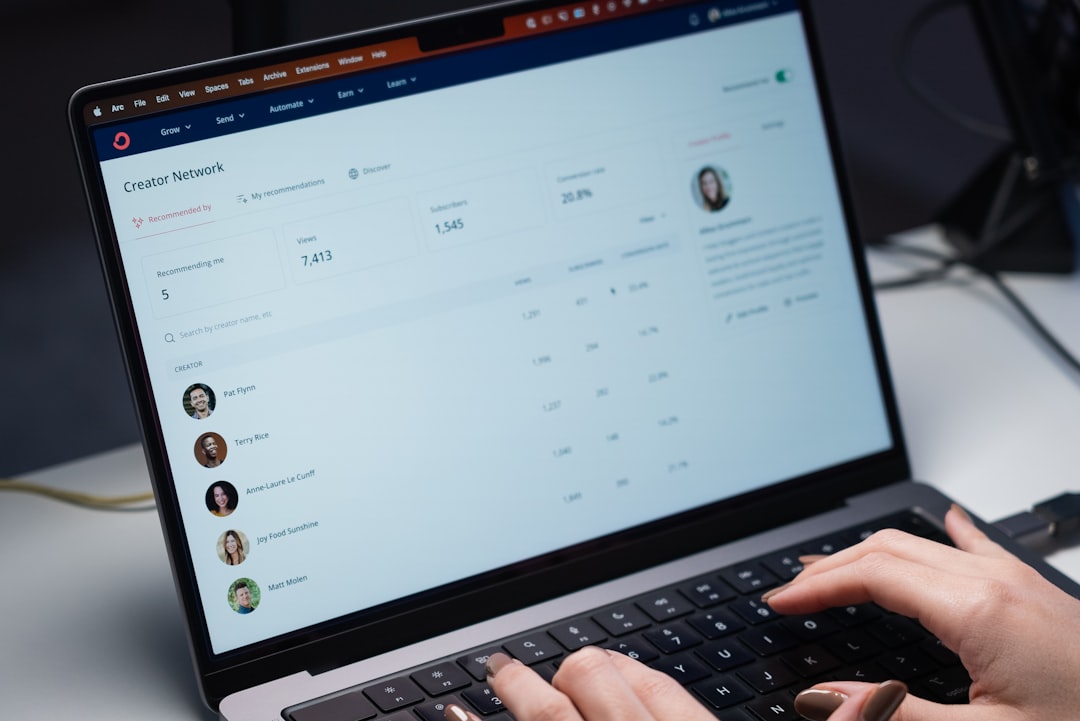
- Real-time team collaboration tools
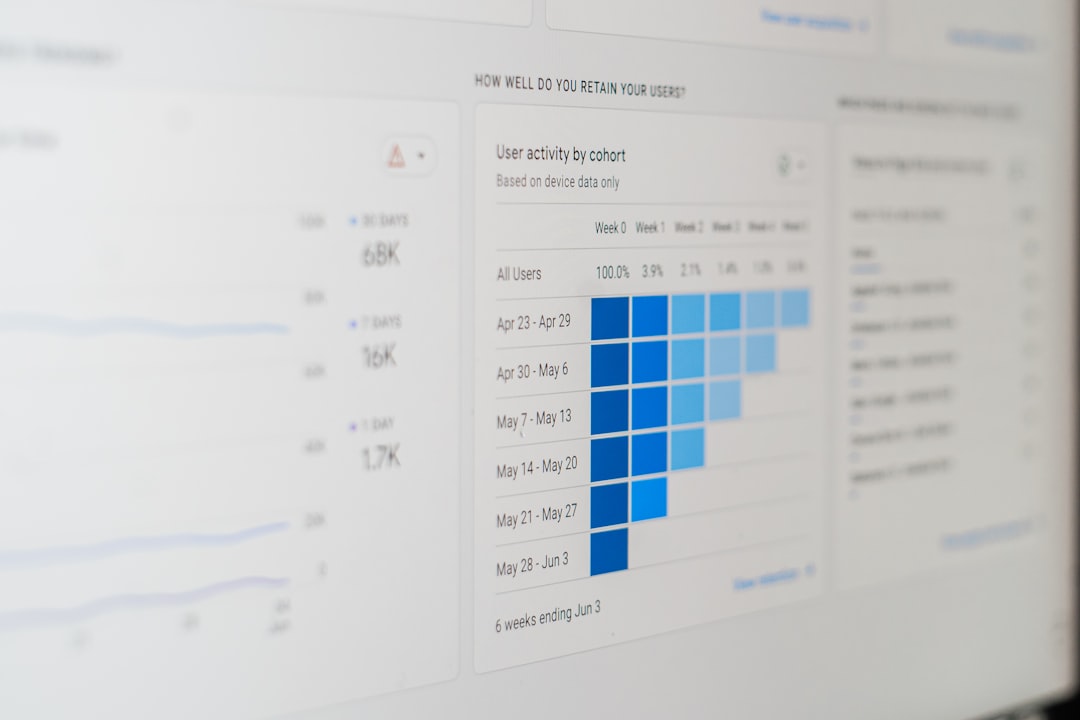
- Integrated analytics dashboards
The result? Faster decisions, fewer errors, better hires.
1. Workday HCM
Best for enterprise-level organizations
Workday Human Capital Management (HCM) is a comprehensive HR suite designed for larger organizations with complex hiring needs. Known for its advanced reporting capabilities and global compliance support, Workday centralizes recruiting, onboarding, payroll, and workforce planning.
Key efficiency features:
- AI-powered talent acquisition tools
- Automated job requisition workflows
- Integrated candidate tracking
- Advanced analytics for workforce forecasting
Companies using Workday often report significant reductions in manual HR tasks and improved collaboration between hiring managers and recruiters.
2. BambooHR
Best for small to mid-sized businesses
BambooHR is known for its intuitive interface and user-friendly design. It simplifies applicant tracking, onboarding, and employee record management, making it ideal for growing businesses that need structure without complexity.
Standout features:
- Customizable hiring pipelines
- Automated onboarding workflows
- Electronic offer letters and signature collection
- Centralized employee database
BambooHR reduces time spent on paperwork and improves visibility across the hiring process, ensuring no candidate falls through the cracks.
3. Lever
Best for collaborative hiring teams
Lever combines applicant tracking with candidate relationship management (CRM), making it easier to build long-term talent pipelines. Its collaborative features foster better communication among hiring managers and recruiters.
Efficiency drivers:
- Auto-scheduling tools
- Reusable candidate pools
- Real-time feedback sharing
- Diversity analytics tracking
Recruiting teams frequently report a 50–70% reduction in administrative workload after implementing Lever’s automation tools.

4. Greenhouse
Best for structured hiring processes
Greenhouse focuses on creating consistent, data-driven hiring workflows. It enables structured interviews, standardized scorecards, and robust analytics, helping companies make fairer and faster decisions.
Notable features:
- Structured interview kits
- Candidate scorecards
- Automated interview reminders
- Integration with 300+ third-party apps
The platform is particularly effective for companies focused on diversity, equity, and inclusion initiatives, reducing bias through structured evaluation methods.
5. Zoho Recruit
Best for recruitment agencies and startups
Zoho Recruit offers flexible customization and affordability. It works well for both internal HR teams and staffing agencies handling high volumes of applicants.
Time-saving capabilities:
- Resume parsing automation
- Client and vendor portal integration
- AI candidate matching
- Email and workflow automation
Its automation tools drastically cut down time spent on manual screening and communication tasks.
6. SmartRecruiters
Best for global recruitment operations
SmartRecruiters offers an enterprise-grade talent acquisition suite with a modern, marketing-style approach to recruitment. Its platform treats candidates like customers, emphasizing engagement and branding.
Core features:
- AI candidate recommendations
- Mobile-friendly hiring process
- Global compliance tools
- Seamless onboarding integration
Organizations using SmartRecruiters benefit from improved employer branding and shorter hiring cycles across international teams.
Comparison Chart: Top HR Management Software Tools
| Tool | Best For | Key Strength | Automation Level | Scalability |
|---|---|---|---|---|
| Workday HCM | Large enterprises | Advanced analytics & compliance | Very High | Global scale |
| BambooHR | SMBs | User-friendly interface | High | Mid-level growth |
| Lever | Collaborative teams | CRM functionality | Very High | High growth |
| Greenhouse | Structured hiring | Bias reduction tools | High | Enterprise ready |
| Zoho Recruit | Agencies & startups | Customization flexibility | High | Scalable plans |
| SmartRecruiters | Global companies | Employer branding | Very High | International scale |
How These Tools Drive 70% Hiring Efficiency Gains
The claim of improving hiring efficiency by up to 70% may seem ambitious, but it’s achievable when multiple automation features work together. Here’s how:
1. Automated Screening
AI-driven resume parsing reduces hours of manual review to minutes by identifying top candidates based on predefined criteria.
2. Faster Communication
Integrated email templates, scheduling links, and automated status updates eliminate back-and-forth coordination.
3. Centralized Data
With all applicant information stored in one platform, recruiters avoid switching between spreadsheets, inboxes, and chat tools.
4. Data-Driven Decisions
Built-in analytics reveal bottlenecks such as slow interview feedback or extended approval timelines.
5. Improved Collaboration
Shared dashboards and real-time notes allow hiring teams to align quickly and reduce decision delays.
Choosing the Right HR Management Tool
To maximize efficiency gains, consider:
- Company size – Larger enterprises need robust compliance and integrations.
- Hiring volume – High-volume recruiting requires stronger automation features.
- Budget – Some tools offer modular pricing ideal for startups.
- Integration needs – Ensure compatibility with payroll, communication, and onboarding systems.
- User adoption – A powerful tool is useless if your team finds it difficult to use.
Implementation strategy also matters. Provide thorough training, align the system with your workflows, and continuously analyze hiring metrics to optimize performance.
Final Thoughts
Hiring efficiency is no longer just an HR metric—it’s a business imperative. In competitive markets, speed and accuracy determine whether you secure top talent or lose them to faster-moving competitors. By implementing one of the six HR management software tools outlined above, companies can automate repetitive tasks, eliminate bottlenecks, and make smarter hiring decisions.
When properly deployed, these platforms don’t just save time—they transform recruitment into a strategic advantage. And in a world where every hire shapes company culture and performance, that advantage can make all the difference.
The future of HR isn’t about working harder. It’s about hiring smarter.