AI chatbots are everywhere. They answer questions. They book meetings. They solve customer issues at 2 a.m. without needing coffee. The good news? You do not need to be a coding genius to build one. Today’s AI chatbot platforms make it simple, fast, and even fun.
TLDR: AI chatbot platforms help you create smart assistants without heavy coding. Some focus on customer support, others on automation or deep AI customization. The best choice depends on your goals, budget, and tech skills. Below are five powerful tools and a comparison chart to help you decide.
Let’s explore five AI chatbot platforms that help you build intelligent assistants. We’ll keep it simple. No tech jargon overload. Just clear insights.
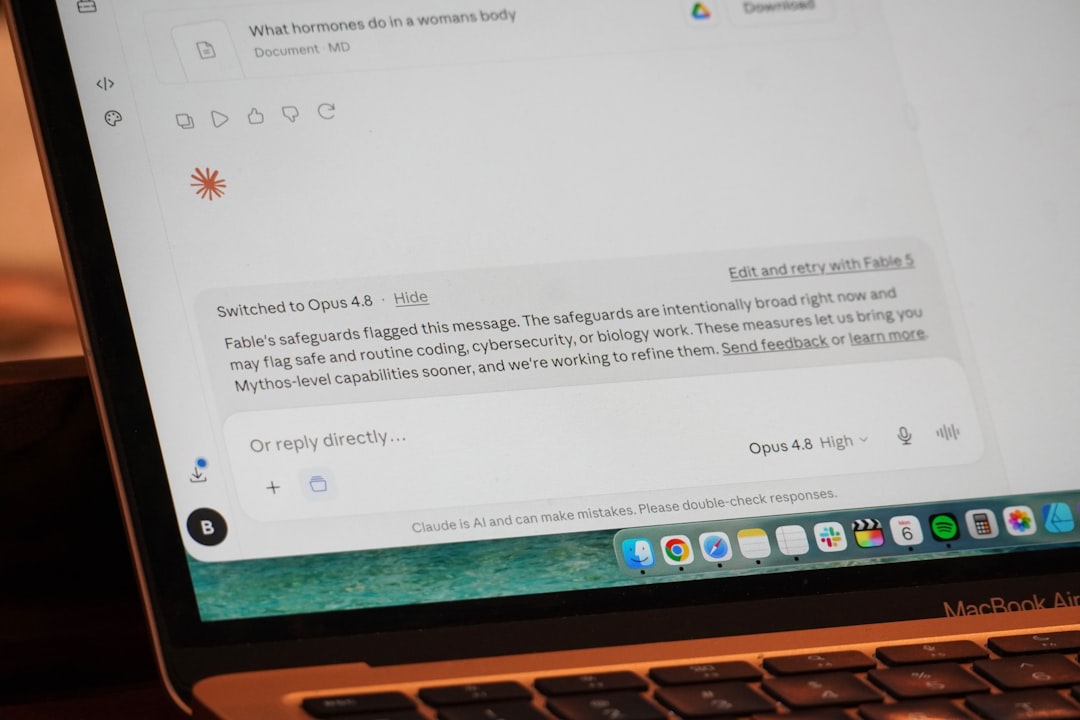
1. ChatGPT (OpenAI)
ChatGPT is one of the most popular AI platforms today. It is smart. It is flexible. And it can be customized through APIs and GPT builders.
You can build:
- Customer support bots
- Internal help desk assistants
- Sales chat agents
- Learning tutors
- Creative writing assistants
With the API, developers can connect ChatGPT to websites, apps, or messaging platforms. Non-developers can use GPT builder tools to create custom assistants without complex coding.
Why people love it:
- Very natural conversations
- Understands complex questions
- Works in many languages
- Constant updates and improvements
Best for: Businesses that want powerful AI reasoning and flexible integrations.
2. Dialogflow (Google Cloud)
Dialogflow is Google’s chatbot development platform. It is strong in natural language processing. It connects easily with Google services.
There are two main versions:
- Dialogflow CX – Advanced, built for complex workflows
- Dialogflow ES – Simpler, great for beginners
Dialogflow uses something called “intents.” These help the bot understand what a user wants. You create training phrases. The system learns patterns. Then it responds correctly.
What makes it powerful:
- Voice and text bot support
- Integration with Google Assistant
- Works with websites, apps, and call centers
- Strong analytics tools
Best for: Companies that already use Google Cloud or want voice-enabled bots.
3. Microsoft Bot Framework
Microsoft’s Bot Framework is serious business. It is built for enterprises. It connects smoothly with Azure services.
This platform gives developers full control. You can design conversation flows. You can connect external APIs. You can scale globally.
It also links easily with:
- Microsoft Teams
- Skype
- Web chat
- Email systems
One standout feature is the Azure Bot Service. It handles hosting and scaling automatically. That means less stress on your infrastructure.
Pros:
- Enterprise-level security
- Advanced customization
- Deep integration with Microsoft ecosystem
Cons:
- Learning curve can be steep
- Better suited for developers
Best for: Large organizations that need strong security and Microsoft integration.
4. Tidio
Tidio is simple. Clean. Beginner-friendly.
If you run an online store or small business, Tidio is very attractive. You can combine live chat and AI chatbots in one place.
Setup is quick. You choose templates. You customize responses. Done.
Main features:
- Drag-and-drop bot builder
- E-commerce integrations
- Automated FAQs
- Visitor tracking
Tidio shines in customer support automation. It helps answer repetitive questions like:
- “Where is my order?”
- “What are your business hours?”
- “Do you ship internationally?”
Best for: Small to mid-sized businesses that want fast deployment without complexity.
5. ManyChat
ManyChat focuses on marketing automation. It works especially well with social media platforms.
If you want chatbots for:
- Facebook Messenger
ManyChat is a strong option.
You can build automated sales funnels. You can send promotional messages. You can create interactive flows that feel personal.
No heavy coding required. The visual builder makes it easy to map conversations step by step.
Why marketers like it:
- Audience segmentation
- Campaign automation
- Lead generation tools
- Broadcast messaging
Best for: Brands focused on social selling and audience engagement.

Quick Comparison Chart
| Platform | Ease of Use | Best For | Customization | Ideal Business Size |
|---|---|---|---|---|
| ChatGPT | Medium | Smart AI assistants | Very High | All sizes |
| Dialogflow | Medium | Voice and Google integrations | High | Medium to Large |
| Microsoft Bot Framework | Advanced | Enterprise systems | Very High | Large enterprises |
| Tidio | Easy | Customer support | Moderate | Small to Medium |
| ManyChat | Easy | Social media marketing | Moderate | Small to Medium |
How to Choose the Right Platform
Here is where things get practical.
Ask yourself a few simple questions:
- Who will build it? A developer or a beginner?
- Where will it live? Website, app, social media?
- How smart does it need to be? FAQ level or deep reasoning?
- What is your budget?
If you want advanced reasoning and flexibility, go with platforms like ChatGPT or Microsoft.
If you want easy setup and quick results, Tidio or ManyChat may be enough.
If voice integration is key, Dialogflow could be your best bet.
What Makes a Chatbot “Intelligent”?
Not all bots are equal.
A truly intelligent assistant can:
- Understand context
- Remember past interactions
- Personalize responses
- Handle complex conversations
- Connect with other tools
Older bots followed strict scripts. If you typed something unexpected, they failed.
Modern AI bots use machine learning. They understand meaning. Not just keywords.
This is why picking the right platform matters. The smarter the engine, the better the experience.
Final Thoughts
Building an AI assistant is no longer science fiction. It is accessible. Affordable. And highly impactful.
Whether you run a small online shop or a global enterprise, there is a chatbot platform built for you.
Start simple. Test your bot. Improve it over time.
The goal is not just automation. The goal is better conversations.
And when your chatbot works well? Customers feel heard. Teams save time. Businesses grow faster.
That is the real power of intelligent assistants.