Artificial intelligence has transformed the way visuals are created, making high-quality design accessible to professionals and beginners alike. From marketing graphics to digital art and social media content, AI image generation platforms now empower users to turn simple text prompts into striking visuals within seconds. These tools are not just fast—they are increasingly accurate, intuitive, and capable of producing professional-grade results without extensive design skills.
TLDR: AI image generation platforms allow users to create stunning visuals from simple text prompts in seconds. Midjourney, DALL·E, and Adobe Firefly stand out for their quality, flexibility, and ease of use. Each platform offers unique strengths, from artistic depth to commercial safety and workflow integration. Choosing the right tool depends on your creative goals, budget, and level of design experience.
Below are three leading AI image generation platforms that are helping creators, marketers, and businesses bring their ideas to life.
1. Midjourney
Best for: Artistic visuals, concept art, and highly detailed imagery.
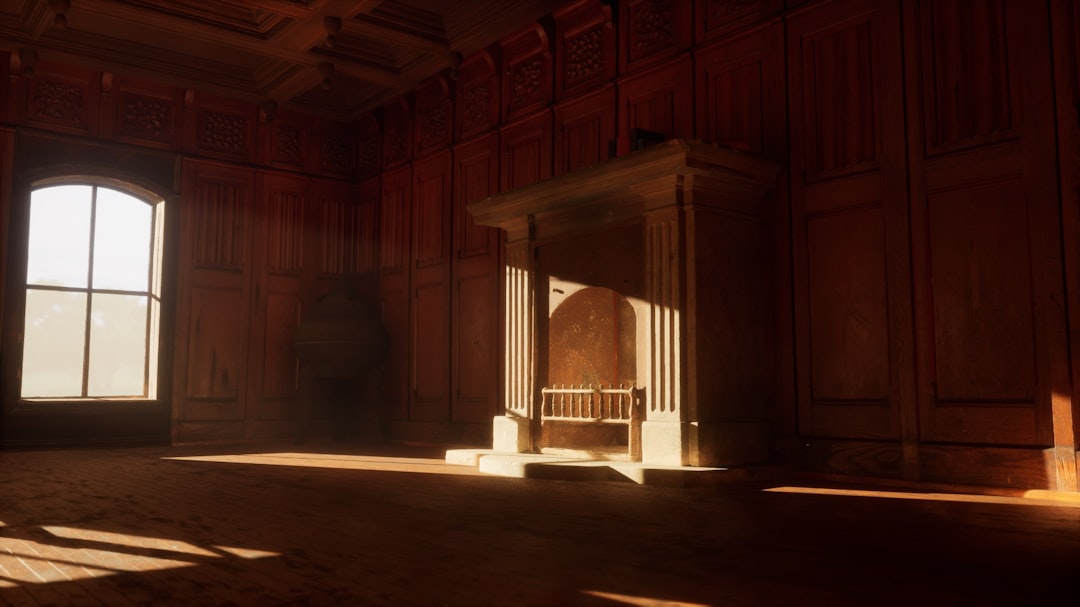
Midjourney has gained a reputation for producing some of the most visually stunning AI-generated artwork available today. It is particularly popular among digital artists, illustrators, and creative professionals looking for cinematic, atmospheric, and stylistically rich visuals.
Key Strengths
- Artistic Depth: Images often resemble high-end digital paintings.
- Detailed Rendering: Exceptional at textures, lighting, and mood.
- Creative Control: Advanced prompt structuring enables nuanced outcomes.
Midjourney operates through a chat-based interface, where users input detailed text prompts to guide image generation. The more descriptive the prompt, the more refined the output. This makes it particularly powerful for users who understand composition, artistic styles, and visual storytelling.
Limitations: It may have a steeper learning curve compared to more simplified tools. Beginners might need time to craft effective prompts and adjust parameters to achieve desired results.
For creative industries such as book illustration, gaming concept design, and advertising mockups, Midjourney remains a top-tier choice.
2. DALL·E
Best for: Versatility, ease of use, and imaginative concept creation.
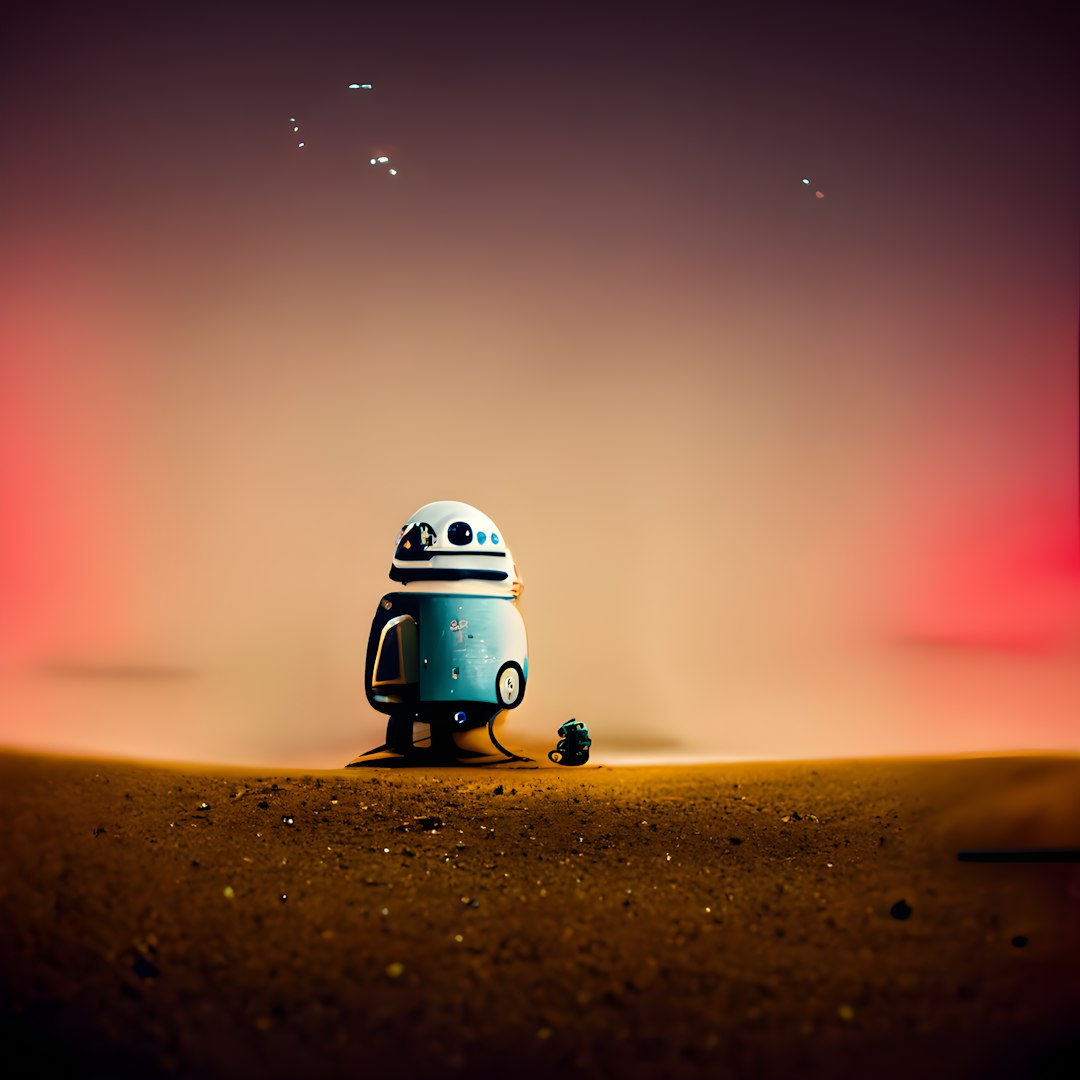
DALL·E is known for balancing accessibility with powerful generation capabilities. It allows users to create unique visuals from natural language descriptions, often rendering imaginative concepts with surprising accuracy.
Key Strengths
- User-Friendly Interface: Simple prompt entry without complex settings.
- Image Editing: Ability to expand, edit, or modify specific image portions.
- Creative Flexibility: Handles realistic and surreal requests equally well.
One standout feature is its inpainting and outpainting capability. Users can upload an image and edit specific areas or expand beyond the original borders to create a larger composition. This functionality is particularly useful for marketers who need product image adjustments or creative scene extensions.
DALL·E performs well for:
- Blog imagery
- Social media content
- Presentation graphics
- Storyboarding
Limitations: While highly capable, it may not always reach the same artistic complexity as Midjourney for ultra-detailed styles. However, its reliability and editing tools make it one of the most practical AI visual platforms available.
3. Adobe Firefly
Best for: Commercial use, branding visuals, and integration with professional workflows.
Adobe Firefly is designed with commercial creators in mind. Integrated into Adobe’s ecosystem, it allows designers to seamlessly incorporate AI-generated visuals into software like Photoshop and Illustrator.
Key Strengths
- Commercial-Safe Content: Built with licensing considerations in mind.
- Workflow Integration: Direct compatibility with Adobe tools.
- Text Effects and Design Tools: Ideal for branding and typography projects.
Unlike some standalone platforms, Firefly focuses not just on image generation but also on design-friendly features. Users can generate backgrounds, textures, text effects, and vector-style graphics that fit neatly into an existing workflow.
It is particularly beneficial for:
- Marketing teams
- Freelance designers
- Corporate branding departments
- Content creators working with established style guidelines
Limitations: While excellent for commercial and brand applications, it may be less experimental or stylistically bold than Midjourney in purely artistic contexts.
Platform Comparison Chart
| Feature | Midjourney | DALL·E | Adobe Firefly |
|---|---|---|---|
| Ease of Use | Moderate | High | High |
| Artistic Quality | Exceptional | Very Good | Good to Very Good |
| Editing Capabilities | Limited Native Editing | Advanced Inpainting | Integrated Editing in Adobe Apps |
| Commercial Focus | General Use | General Use | Strong Commercial Orientation |
| Best For | Concept Art, Illustration | Marketing, Content Creation | Branding, Professional Design |
How to Choose the Right AI Image Generator
Selecting the best platform depends largely on the user’s goals and level of experience. Creatives seeking visually dramatic and artistic outputs may gravitate toward Midjourney. Marketing professionals who prioritize speed and editing features might prefer DALL·E. Designers embedded in professional workflows often benefit most from Adobe Firefly.
When evaluating platforms, consider the following factors:
- Purpose: Is the image for art, advertising, or internal business use?
- Editing Needs: Will the image require refinements after generation?
- Licensing Requirements: Is commercial safety essential?
- Learning Curve: How much time can be invested in mastering prompts?
- Budget: Are subscription costs aligned with usage?
AI image platforms are evolving rapidly, introducing improved realism, faster generation speeds, and better understanding of complex prompts. As competition increases, accessibility and output quality continue to improve for users at all levels.
Future of AI Image Generation
The future points toward deeper personalization and enhanced control. Upcoming advancements may include:
- More precise style replication
- Improved anatomical and contextual realism
- Real-time collaborative image generation
- Stronger integration with video and 3D environments
As AI image platforms continue advancing, the gap between professional design studios and independent creators is narrowing. Anyone with a creative vision can now translate ideas into compelling visuals with just a few words.
Frequently Asked Questions (FAQ)
1. Are AI-generated images copyright protected?
Copyright policies vary by region and platform. Some tools are built with commercially safe training data, while others may have different usage terms. Users should always check the licensing agreements of the platform they choose.
2. Do you need design experience to use AI image generators?
No formal design training is required. However, understanding how to write detailed prompts and describe visual elements can significantly improve the quality of results.
3. Can AI image platforms replace professional designers?
While these tools are powerful, they work best as creative assistants. Professional designers still provide strategic thinking, brand alignment, and human creativity that AI alone cannot fully replicate.
4. What types of images can be created?
Users can generate illustrations, realistic photographs, abstract art, social media graphics, concept designs, product mockups, and more. The range depends largely on the quality of the prompt and the platform’s capabilities.
5. Are AI image generators suitable for businesses?
Yes, many businesses use AI-generated visuals for marketing, advertising, presentations, and product development. Platforms with commercial-safe policies are particularly suitable for corporate use.
6. How important are prompts in AI image generation?
Prompts are crucial. The more descriptive and specific the input, the more accurate and refined the output will be. Effective prompts often include style references, lighting details, color schemes, and composition cues.
As AI technology continues to reshape digital creativity, these three platforms stand out for their reliability, innovation, and ability to deliver stunning visuals. Whether for art, marketing, or professional design, AI image generation is no longer a novelty—it is a powerful creative force shaping the future of visual content.